
Staying healthy after a bowel transplant
Healthy eating, regular exercise and not smoking will help with your recovery and give your bowel the best chance of working long-term
Key points
- Your lifestyle can impact on the long-term success of your bowel transplant
- Adopting a healthy lifestyle is very important
- This means eating the right foods, keeping active, not smoking and avoiding alcohol
- Your transplant team will talk to you about the best ways to achieve this
How to look after yourself after a bowel transplant
The care of you and your transplanted bowel is on-going, and you need to stay as fit and healthy as you can so that the transplant will work for as long as possible.
Eat and drink the right things

After a bowel transplant, nutrition and fluid balance is especially important. Specialist dieticians in the transplant team will give you advice on diet. It’s very important to follow this advice.
In general, avoid too much sugar, saturated fats and salt. A low sugar diet is particularly important for managing diabetes. A diet low in saturated fat will help to keep your cholesterol levels controlled.
Take regular exercise

Keeping active is important after a bowel transplant. In the first few weeks and months, you should try to walk a little every day to prevent blood clots. As you recover, you can do more. If your recovery is going well, after 8 to 12 weeks, you will usually be encouraged to start moderate exercise. This could be walking, jogging, swimming or cycling.
Most sports and activities are possible but you should avoid heavy contact sports, such as rugby, martial arts and boxing as these risk damaging your transplanted organ.
Exercise will help to keep your bones strong. You may need bone scans to find out if there's any thinning of the bones. You may be given advice on exercise or even given medications if there’s a problem.
Aim for a healthy weight
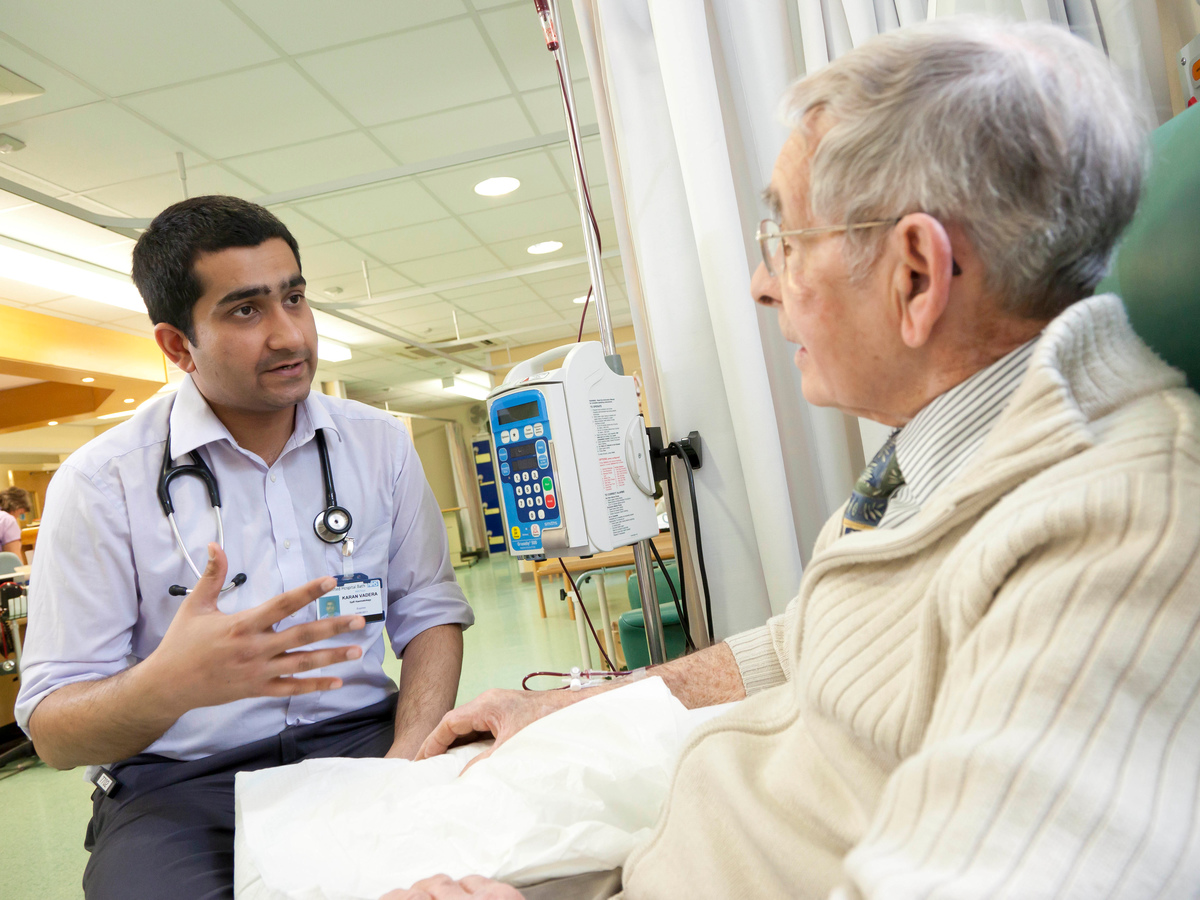
Being a healthy weight can help to lower your chances of having problems with your recovery. A good diet and nutrition are important after the transplant, and specialist dieticians will advise you.
Wear sunscreen and be careful in the sun

Cancers, especially skin cancers, are more common in patients who have had a transplant. Avoid staying out in the sun for long periods, and wear factor 50 sunblock, long-sleeved shirts and a hat if you are in the sun.
If you are invited for screening tests, such as a mammogram, a cervical smear or bowel cancer screening it is strongly recommended that you attend.
Avoid alcohol
Some patients with bowel disease also have liver disease, and some will have had a liver transplant. Other transplant patients may be able to drink alcohol in moderation.
Please check with your bowel care team if you are allowed to drink alcohol or not.
Do not smoke
If you smoke, it’s time to stop. Ideally, you should quit before your transplant. Smoking increases the risk of strokes, heart problems, lung problems and hernias in transplant patients. Giving up cigarettes will help prevent problems during the transplant surgery and maintain your health after your transplant. Speak to your transplant team for help on quitting smoking.
Get support from your transplant team
They can help you with diet plans, activity schedules and giving up smoking.

