
Who is able to have a bowel transplant?
A bowel transplant is a treatment option for some patients with bowel failure
Key points
- A bowel transplant is a major operation
- To be able to have a bowel transplant you must be well enough to cope with the surgery
- Unfortunately, not everyone with bowel failure will be fit enough for surgery
- Your bowel doctor and transplant team have to be confident that you will likely benefit from a transplant
- Other treatment options may be safer for some patients
Who can have a bowel transplant?
A bowel transplant is an option for some patients with bowel failure who have not responded to other treatments and who are running into trouble with ongoing treatment with intravenous feeding.
There are many different causes of bowel disease that might lead to needing a bowel transplant. More common causes include:
- Long-term bowel failure needing feeding into a vein, where there are major problems with the veins or other organs
- When there is liver failure or disease, but the liver can’t be transplanted without the need for transplanting the bowel as well.
Sometimes a bowel transplant is needed in patients with rare tumours of the bowel or abdomen that grow very slowly. Rarely, a bowel transplant might be needed in someone with very sudden bowel failure, for example due to major problems with the blood supply to the bowel.
To have a bowel transplant:
- You must be well enough to cope with major surgery
- You must be able to take the required daily medicines needed after a bowel transplant
Why a bowel transplant might not be your best option
A bowel transplant has lots of advantages but it also has some disadvantages, which may make it too risky for some patients.
The main risks for patients to be aware of are:
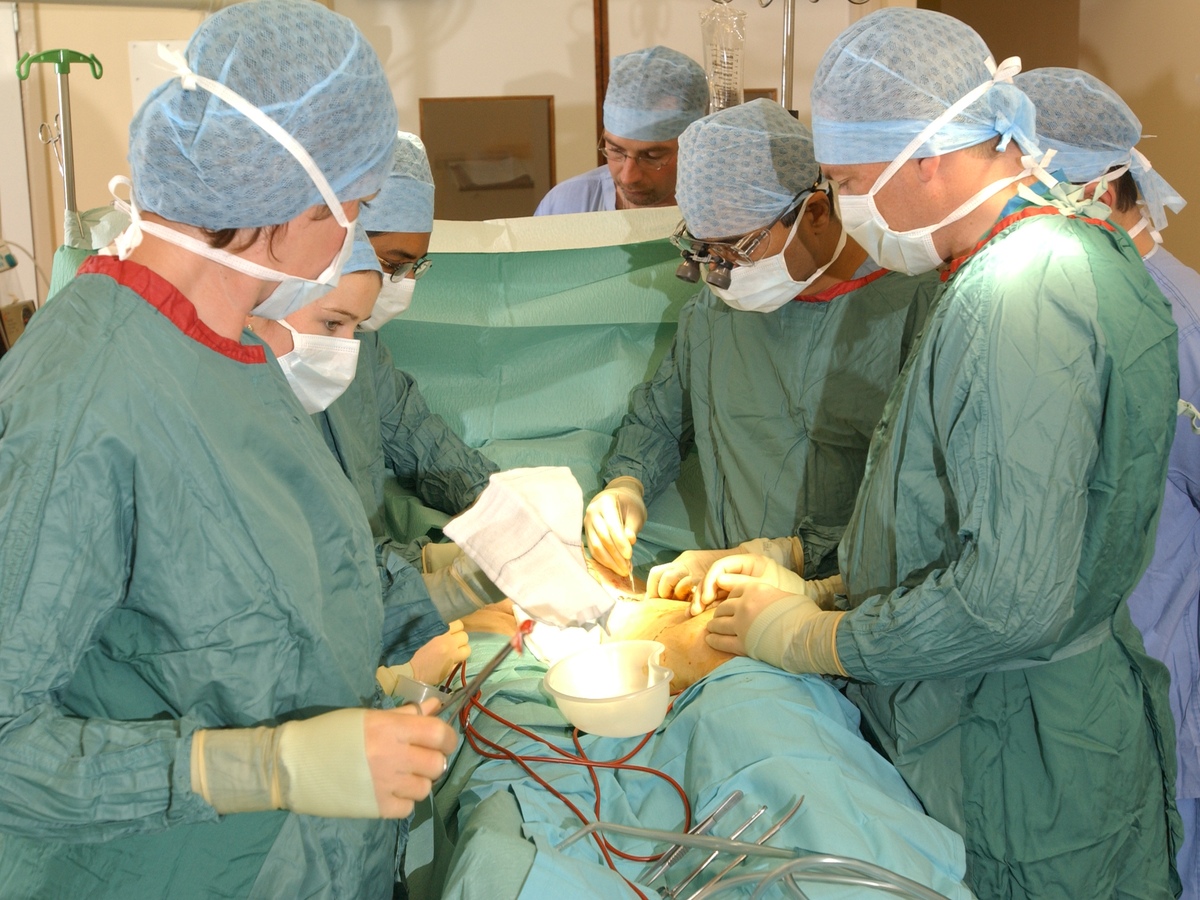
- A bowel transplant is a major operation lasting 8 to 18 hours
- The surgery can place a strain on your heart or lungs
- You have to take powerful immunosuppressant medicines afterwards, which can lead to other serious medical problems
- Some patients experience psychological difficulties afterwards
Reasons why you might not be able to have a bowel transplant
Common reasons why a transplant may not be the right treatment for you include:
- You are too ill or frail to cope with the surgery and aftercare
- You have recently had cancer, a serious infection, a heart attack or a stroke
- You may struggle taking the immunosuppressant medicines after a transplant
- Other treatment options are likely to be better for you
Other treatment options
If your doctor feels a transplant is too risky, they might advise that you stay on intravenous feeding (PN) or take medicines to control your symptoms.
Discuss your options with your doctor
Speak to your bowel doctor and transplant team to find out what treatment is best for you. Your transplant team will talk with you about how your illness relates to which type of transplant you may need.
If you do not understand why you need a bowel transplant it is important that you ask your team.