
Steps towards a bowel transplant
This outlines the entire bowel transplant process
Key points
- Your bowel doctor and transplant team will discuss your options with you and arrange any transplant tests
- It may take a long time to find you a suitable donor, and sometimes a donor cannot be found
- A transplant is a major operation and complications can arise during and after surgery
- After a transplant, you will need to take daily medicines for the rest of your life
1. Discuss your options with a doctor
 Your bowel doctor may be able to advise on whether a bowel transplant is the right treatment for you. They will discuss the benefits and risks with you, along with possible alternative treatments.
Having a bowel transplant is a big decision and every patient's case is unique. Finding a donor is not always easy. You will need to take daily medicines for the rest of your life and there is a chance the transplant will fail.
2. Tests to see if you're suitable for a bowel transplant
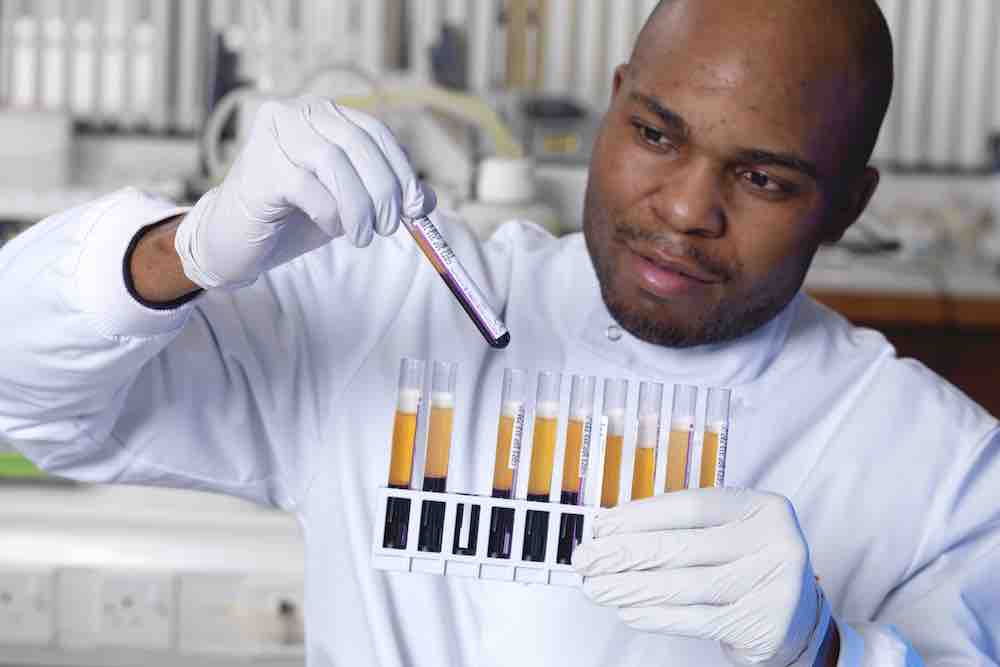 If your doctor thinks a bowel transplant is a possible treatment, they will arrange for you to have a series of tests. They may ask the bowel transplant team to do tests as well.
These tests are to find out whether your body can cope with the surgery and whether you have certain antibodies, which could affect your waiting time for a transplant.
3. Waiting for a bowel transplant

You will be put on the national waiting list if you, your bowel doctor, and the transplant team think that a bowel transplant is the best option for you.
Waiting for a bowel transplant can be a lengthy process as it relies on matching you with a compatible donor. If you are offered a transplant, your transplant team will let you know of the risks from the donated organ.
4. Being admitted to the transplant centre
 If you and your transplant team decide to accept an offered organ, you will be asked to come to the transplant centre. You’ll go through tests to check the surgery can go ahead.
Your surgeon will explain how the operation will be performed and discuss the risks and benefits. The organ will be checked to make sure it is suitable for transplantation.
5. Having bowel transplant surgery
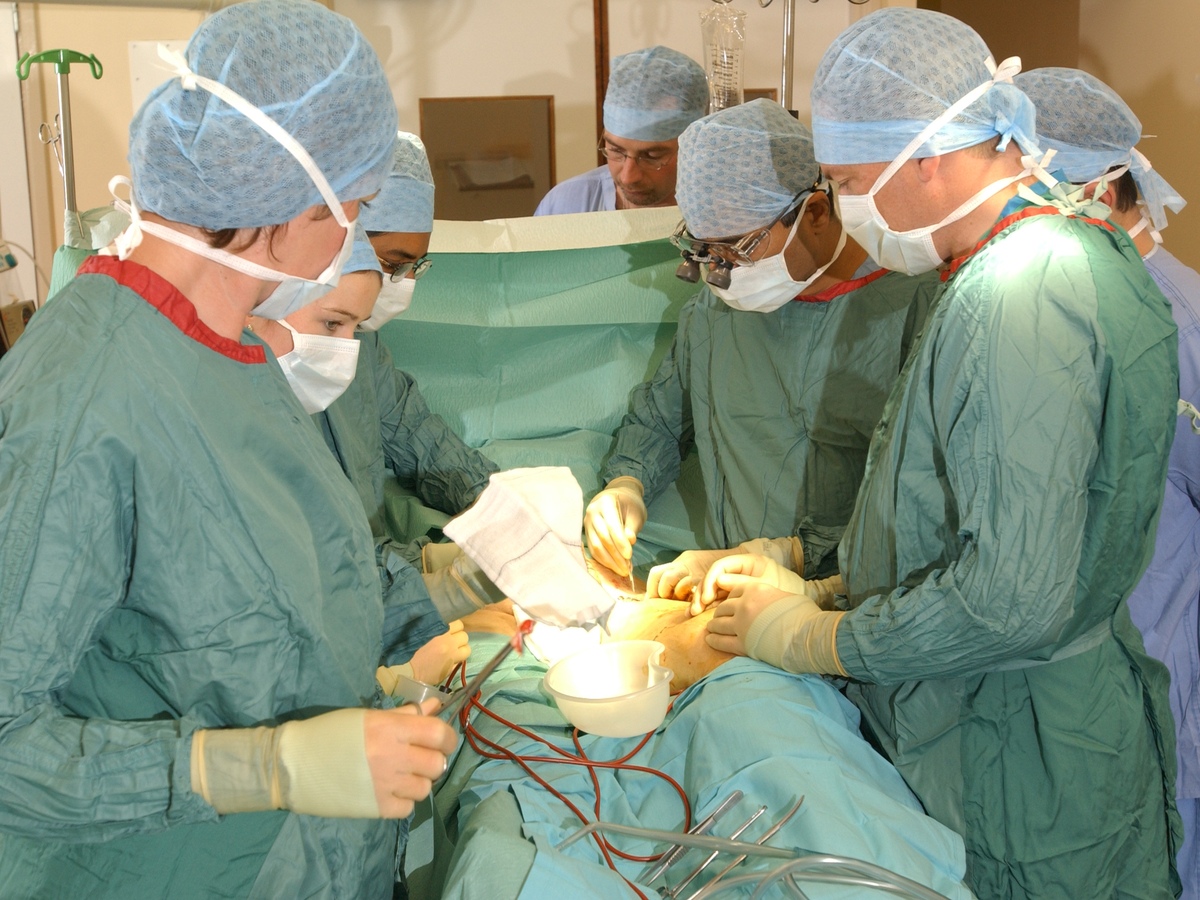 A bowel transplant is a major operation that lasts between 8 to 18 hours. Most patients only require a bowel transplant, but sometimes patients will need other organs to be transplanted at the same time. This means that the surgery may take even longer.
Plastic tubes will be inserted into your neck and arms for administering fluids and medicines. You will also be given a catheter tube to remove urine from your bladder. These tubes will be taken out at a later date.
6. After a bowel transplant
 You will need to stay in hospital for 3 to 8 weeks, sometimes longer. Most transplanted organs start working within a week of the operation.
Your transplant team will monitor your progress and let you know when you can go home. You will need follow-up appointments at the hospital, and extra support can be arranged at home, if needed. You will also need to take daily medicines to prevent rejection of the organ(s).