
News and information
This page shares the latest updates from the PANDA study, alongside information about maternal anaemia and related research. Here you’ll find news, videos and key insights about our work, why it matters, and how PANDA aims to improve outcomes for mothers and babies.
Videos
Why preventing anaemia in pregnancy matters
Chief Investigator Professor Simon Stanworth speaks with Dr Sue Pavord, Consultant Haematologist and President of the British Society for Haematology. They discuss maternal anaemia in pregnancy, including its common symptoms and the potential risks it poses for both mothers and babies. She explains how anaemia can contribute to complications such as extreme fatigue, infection, premature birth and low birth weight. Dr. Pavord also outlines how the PANDA study aims to prevent maternal anaemia through earlier identification and treatment, with the goal of improving pregnancy outcomes and reducing avoidable complications.
PANDA featured on the Maternity and Midwifery Hour podcast
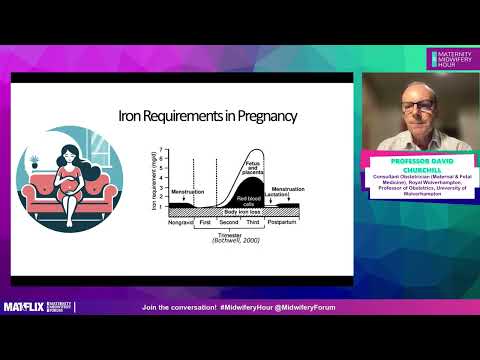
In this episode of the Maternity and Midwifery Hour podcast, Professor David Churchill, PANDA's lead obstetrician, discusses the rationale behind the PANDA trial and the importance of preventing maternal anaemia in pregnancy. He reflects on current challenges in practice, why a preventative approach matters, and the potential implications of PANDA's findings for maternity care and pregnancy outcomes.
News
BBC News Highlights PANDA Trial to Prevent Maternal Anaemia
In a BBC News article, Professor Simon Stanworth, Chief Investigator of the PANDA trial and Consultant Haematologist, discusses new research exploring whether routine iron supplementation in early pregnancy could reduce the risk of anaemia and associated complications, including stillbirth, haemorrhage and postnatal depression. The article highlights that around one in three pregnant women develop anaemia and explains how the PANDA trial is working with maternity units across the UK to investigate whether preventing anaemia, rather than treating it once diagnosed, could improve outcomes for mothers and babies.