
Virtual reality eye retrieval programme helps make more sight-saving cornea transplants available for patients
A 'world first' virtual reality eye retrieval training programme, created by NHS Blood and Transplant (NHSBT)'s Tissue and Eye Services and Digital Learning Teams, will help to increase the number of sight-saving corneas available for transplant across the UK by halving the amount of time it takes to train eye retrieval staff.
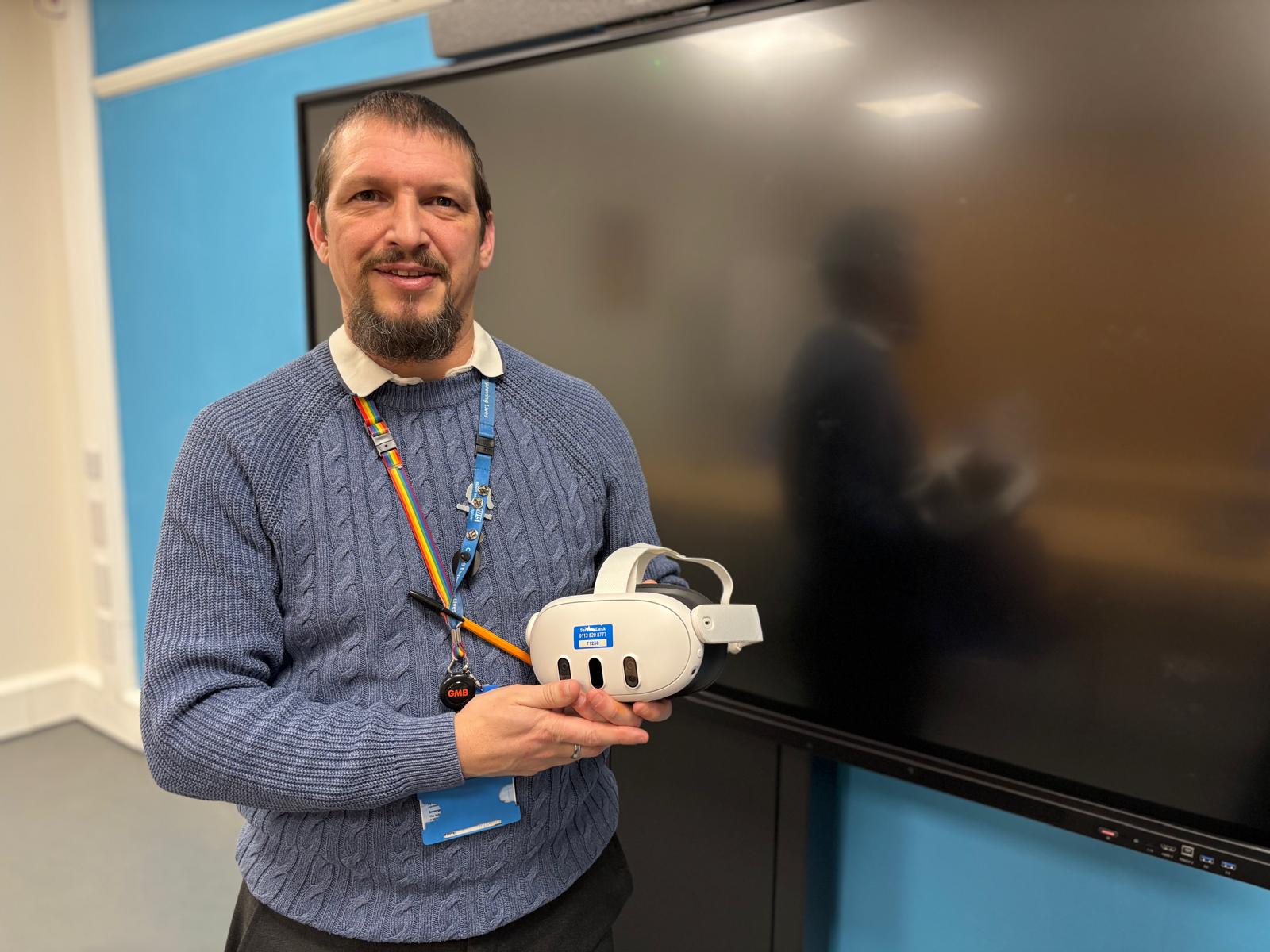 The programme is part of a 4 module blended training package, which includes a 180-degree stereoscopic film experience of a real-life eye retrieval, a 360-degree mortuary tour and a hands-on retrieval simulation using dummy heads, simulation eyes and the virtual reality eye retrieval training module with responsive feedback controls.
The package means that those training to become eye retrieval specialists can now do so in 12 weeks instead of the up to 6 months it used to take. Trainees will now also get their first experience of a mortuary environment and eye retrieval via the programme, giving the best possible preparation for retrievals.
There are currently more than 3,500 people waiting for a cornea transplant in England. Corneal transplants can help restore the sight of patients with a variety of conditions.
Claire Price, National Tissue Retrieval Manager at NHS Blood and Transplant’s Tissue and Eye Services, says:
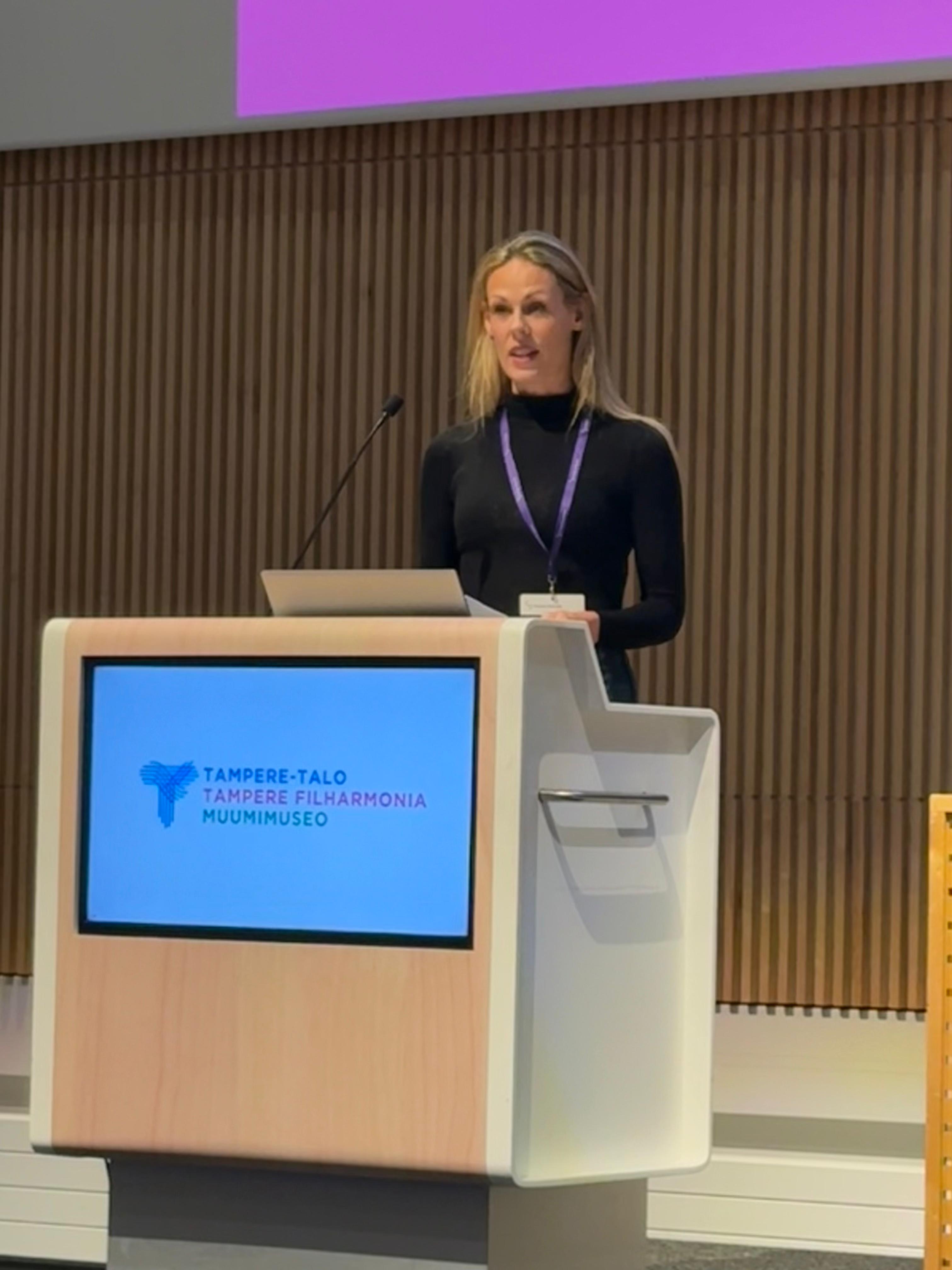 "We're extremely proud to have created what is thought to be the world's first blended eye retrieval programme that incorporates virtual reality.
"Eye retrieval is an intricate, intimate and delicate process that takes some time to learn but through this training module, we can train new staff across four sites in England to become highly skilled eye retrieval specialists more quickly.
"This increases staff capacity and helps make sure there are more corneas available for transplant for those people who need them.
"The training modules will give our eye retrievers the opportunity to learn in an engaging, informative and realistic way, giving them the skills and confidence they need from their very first retrieval.
“This programme shows that NHS Blood and Transplant continues to be at the forefront of innovation and we’re proud to have developed a tool that will benefit our incredible donors, recipients and our Tissue and Eye team."
Paul Ladley, Digital Learning Manager at NHSBT, says:
"This project is a fantastic example of what digital learning can do. It uses VR and immersive filming technologies to put learners into a first-person viewpoint and to also be able to virtually visit difficult to access locations. The mix of technologies and other blended aspects of the programme enable learners to experience the role of eye retriever in a flexible and scalable manner."
The virtual reality training package has been completed by more than 60 eye retrievers. The package is available for all staff who retrieve eyes for NHS Blood and Transplant.
Find more information on NHSBT's Tissue and Eye Services on the NHSBT website