
Sickle cell complications are not well studied, new paper finds
There is a lack of trial evidence for many complications of sickle cell disease, especially as affected people are living longer.
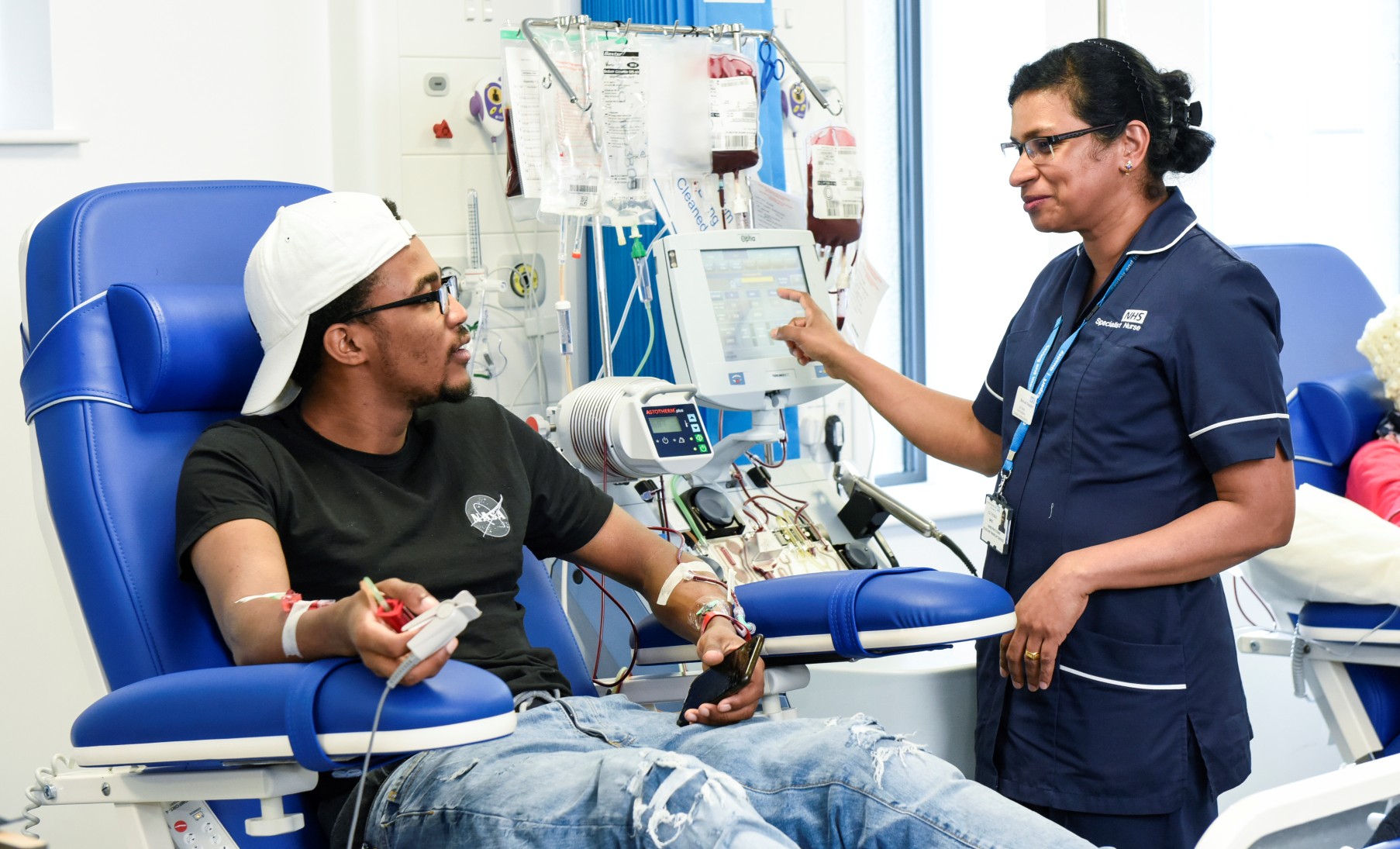 That's one of the conclusions in a new systematic review co-authored by NHSBT's Director of Transfusion, Lise Estcourt.
The paper looked at past trials into using blood transfusions to prevent complications such as stroke and painful crisis episodes.
While there was good evidence they reduce the risk of stroke in children, there is a lack of high-quality evidence for adults.
Red blood cell transfusions are used to treat complications but they can also carry risks such as iron overload and antibody formation.
"The lack of trials in adults with sickle cell disorder is of particular concern given that people with SCD are living longer and so may experience more of the chronic complications of SCD," the authors wrote.
"…it is imperative to have a better understanding of the comparative benefits and harms of RBC transfusions…well‐designed trials are needed that report on patient‐relevant outcomes as well as quality of life."
The systematic review – known as a Cochrane review – considered 17 studies and has just been published in the Cochrane Library.
The other co-authors were Alvin Katumba and Carolyn Dorée of the Radcliffe Department of Medicine at the University of Oxford.
Dr Estcourt said:
"To provide the best care for patients, who are now living longer than ever, we need better trial evidence about how and when to use red blood cell transfusions to treat people with sickle cell disorder."