'Seminal moment’ - first organ transplanted in programme to increase transplants by nearly 20% a year
The first patient has received an organ transplant through a new NHS pilot which will eventually increase the number of organ transplants by nearly 20% a year.
They received a liver transplant through the NHS Blood and Transplant ARCs pilot. Without the donated liver being sent to an ARC, the recipient would not have received this organ for transplant.
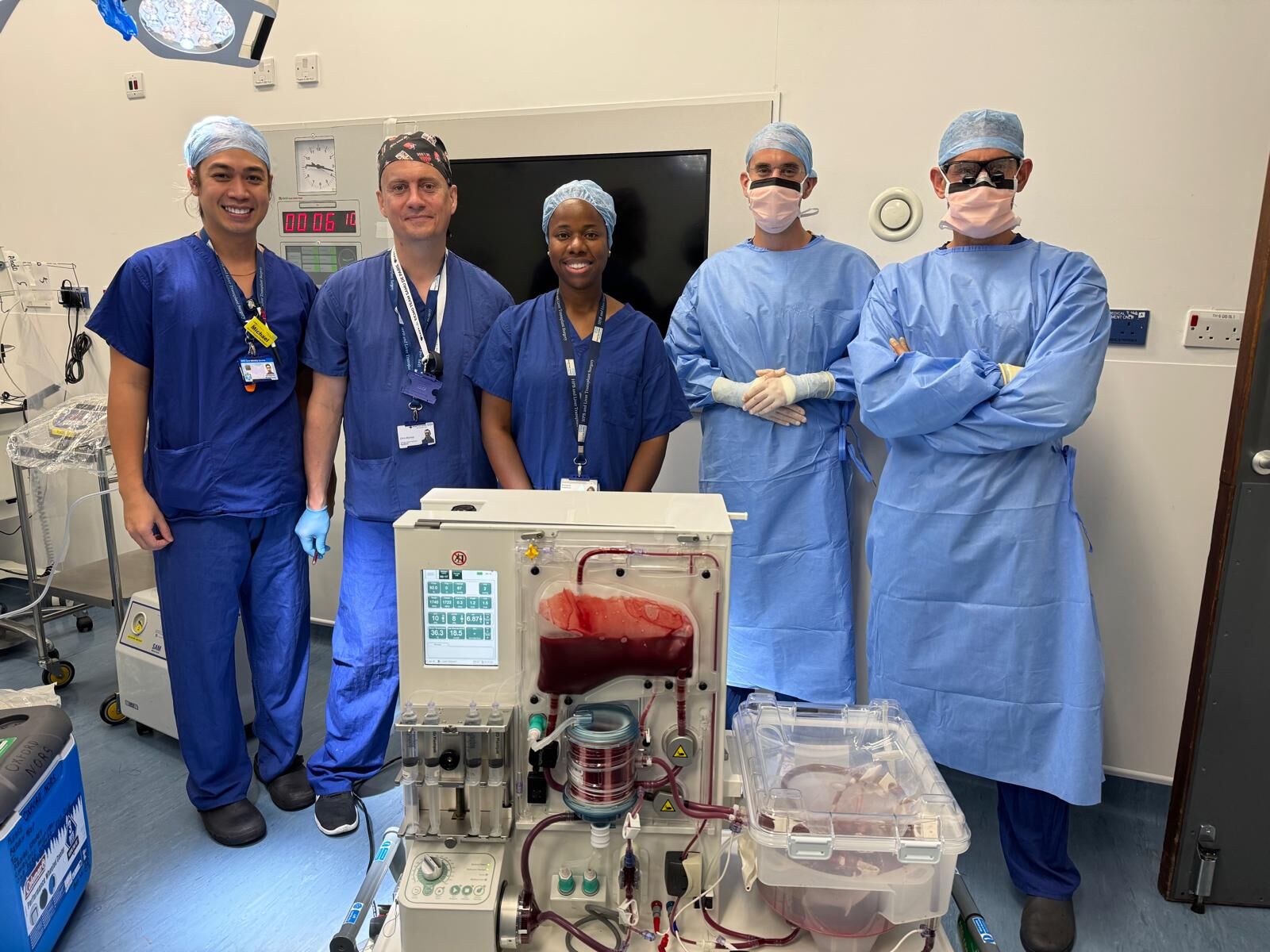 In the pilot, some organs which would not normally be transplanted are taken to specialist ARC centres. There, they receive machine perfusion to enable extra assessment. This extra assessment provides extra information about the organ's function. If that shows they are working well enough after all, the organs can go on to save lives.
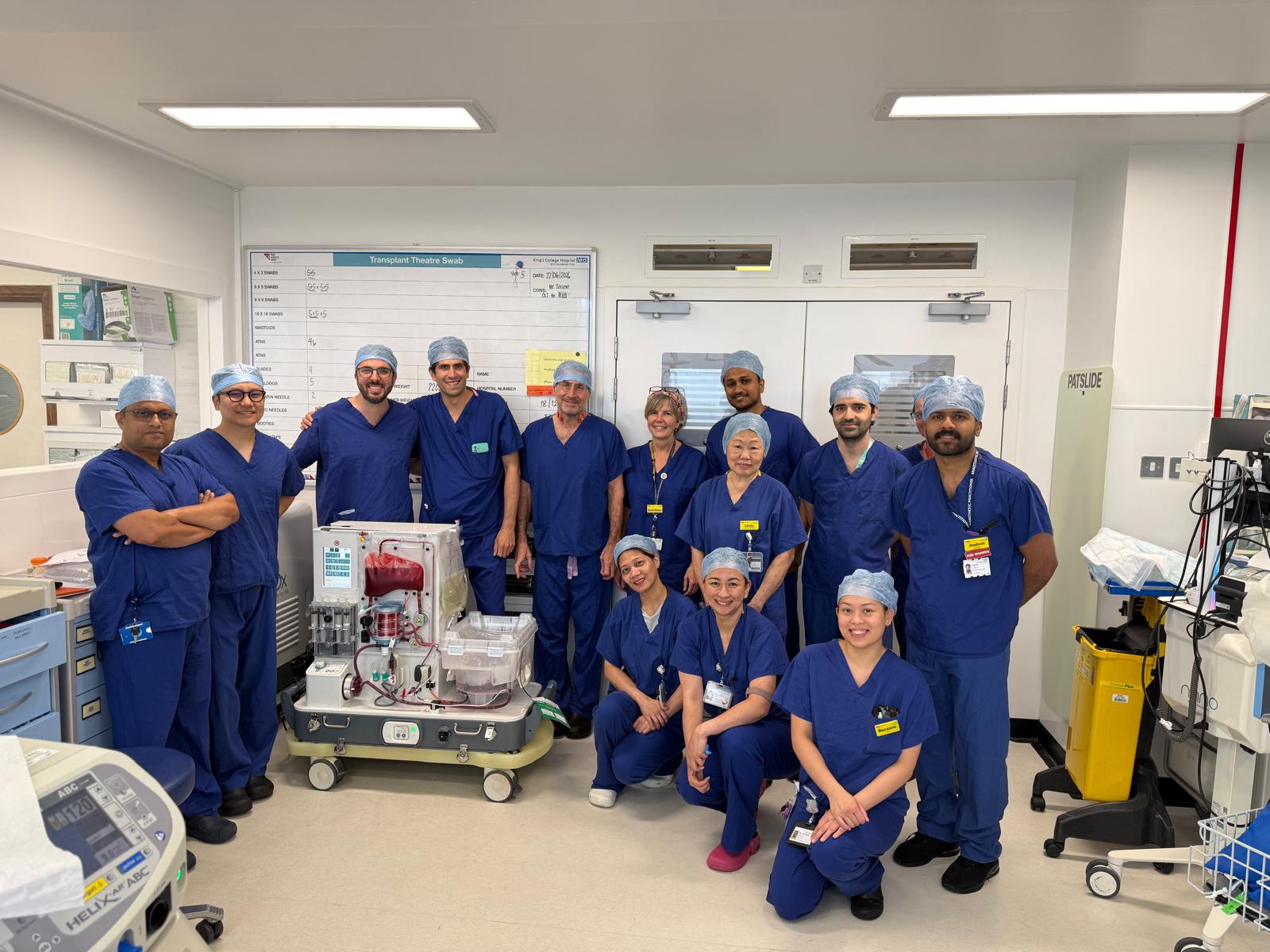
The liver was retrieved from a donor and transported to the Royal Free Hospital's ARC pilot site, where it received machine perfusion – this is where oxygenated blood, medications, and nutrient-rich fluids are circulated through the organ (1). In this case, the medical team used a specialist new perfusion machine called an OrganOx Metra. The perfusion process enabled the team to perform extra testing which gave surgeons the reassurance the liver would be suitable to transplant safely. The organ was then transported to Kings College Hospital and transplanted into a patient on the waiting list.
NHS Blood and Transplant has been funded and supported by the Department of Health and Social Care to trial the ARCs (Assessment and Recovery Centres) model, with 15 hospitals acting as pilot sites for different types of organs. There are ARCs pilot programmes for kidneys, livers, and hearts. (2) If this pilot program is successful, ARCs will become standard of care for organs needing further assessment.
How the ARCs model aims to improve transplantation
 If the pilot scheme is a success and the full programme is introduced, NHSBT estimates it will enable 750 extra liver, lung, and kidney transplants each year by 2030.
The ARCs system is designed to make more use organs which are not currently transplanted. Some organs are not transplanted because in the short time when decisions have to be made, it's not clear they are of good enough quality to be safely transplanted. By allowing these organs to be perfused, surgical teams have more time to test and assess the organs. That can reassure clinicians that some of these organs are healthy enough for transplant after all.
Time is critical because transplants usually need to take place within a few hours of retrieval from the donor. Machine perfusion enables up to 24 hours of extra testing and decision making – which can make all the difference. Currently, many organs which could probably be transplanted go unused, simply because there is so little time for testing and assessment.
In the future, within a final model ARCs service, organs would receive not just extra assessment but also 'reconditioning' interventions to improve their function. This would include interventions such as surgical repairs, blood type changes, and cell therapies.
Statements
Press release notes
- Ex-situ normothermic machine perfusion works by circulating a combination of warm, oxygenated blood, medication and perfusion solution through the organ. The machine pumps blood through the organs' blood vessels providing it with oxygen and nutrients. It also removes waste products from the organ to help maintain it at body temperature and enable extended preservation of the organ, to enable a viability assessment to be undertaken.
- The transplant centres acting as ARC pilot sites are: Kidney - Cambridge, Newcastle, Oxford, Edinburgh, Royal Free, Manchester, Hammersmith. Liver -Cambridge, Royal Free, Kings College, Edinburgh, Newcastle. Lung - Papworth, Newcastle, Harefield. Other transplant centres may support the pilot in the future. If the pilot is successful, dedicated multi-organs ARC facilities would be created.