Qasim and all the rare blood
An 8 year old boy needed every unit of matching blood in the country to help save his life. He's just visited the NHS Blood and Transplant (NHSBT) to personally thank the specialists who made it happen.
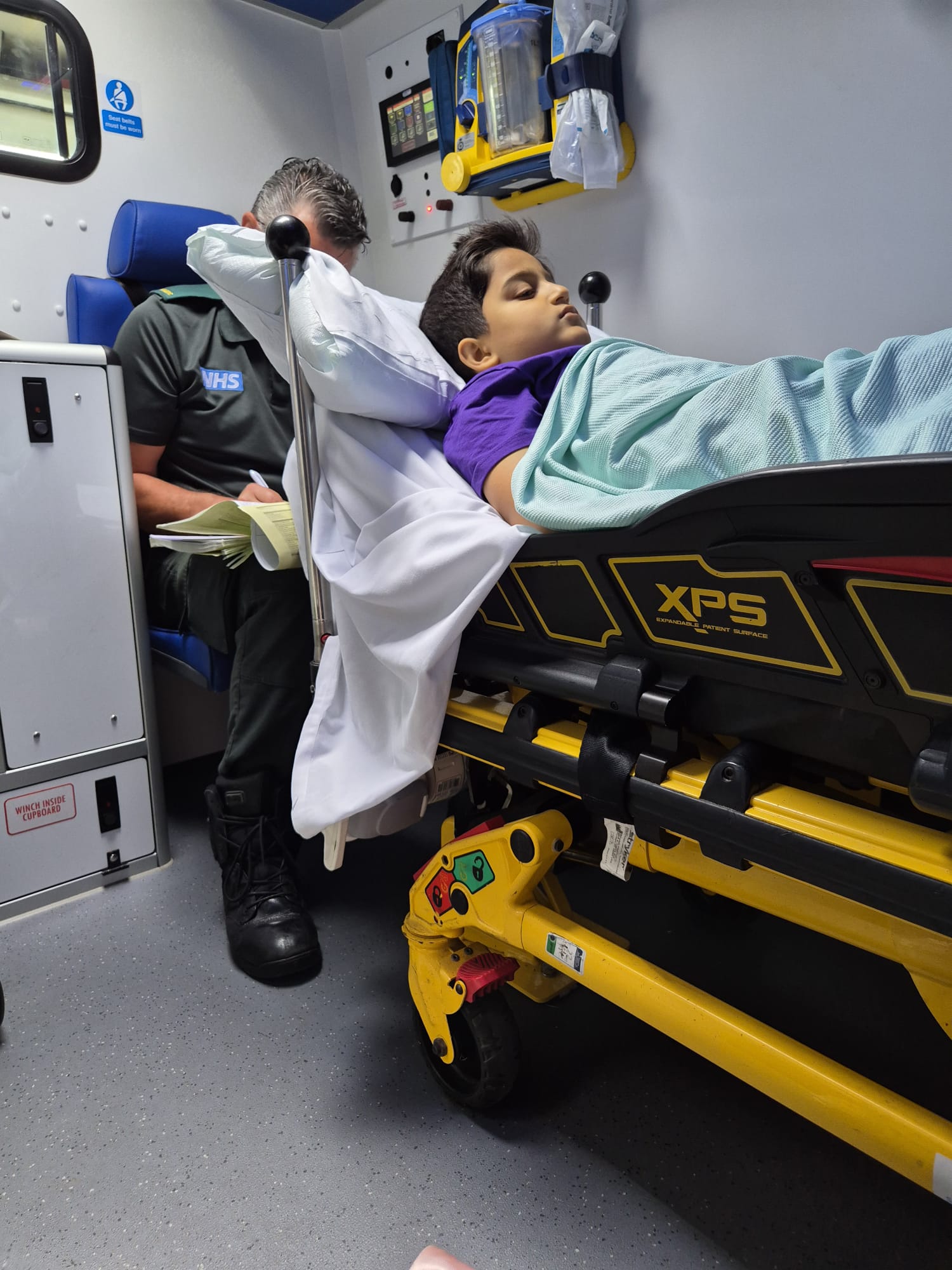 Qasim Rizwan had a rare autoimmune disorder which meant his body was attacking and destroying his own red blood cells.
However, he had a rare mix of blood types – including r'r', a subtype of the Rhesus system, shared by only about one in 10,000 people – which meant there was an urgent search for matching blood to keep him alive.
NHS Blood and Transplant had to urgently defrost and sent all 6 matching units of blood from the National Frozen Blood Bank in Liverpool, which stores the rarest blood in the country, also send one unit in normal liquid stock from Colindale - and also call up a blood donor from the UK's rare donor to donate especially for him.
The combined transfusions helped save his life until his condition could be cured.
Qasim's visit to NHS Blood and Transplant
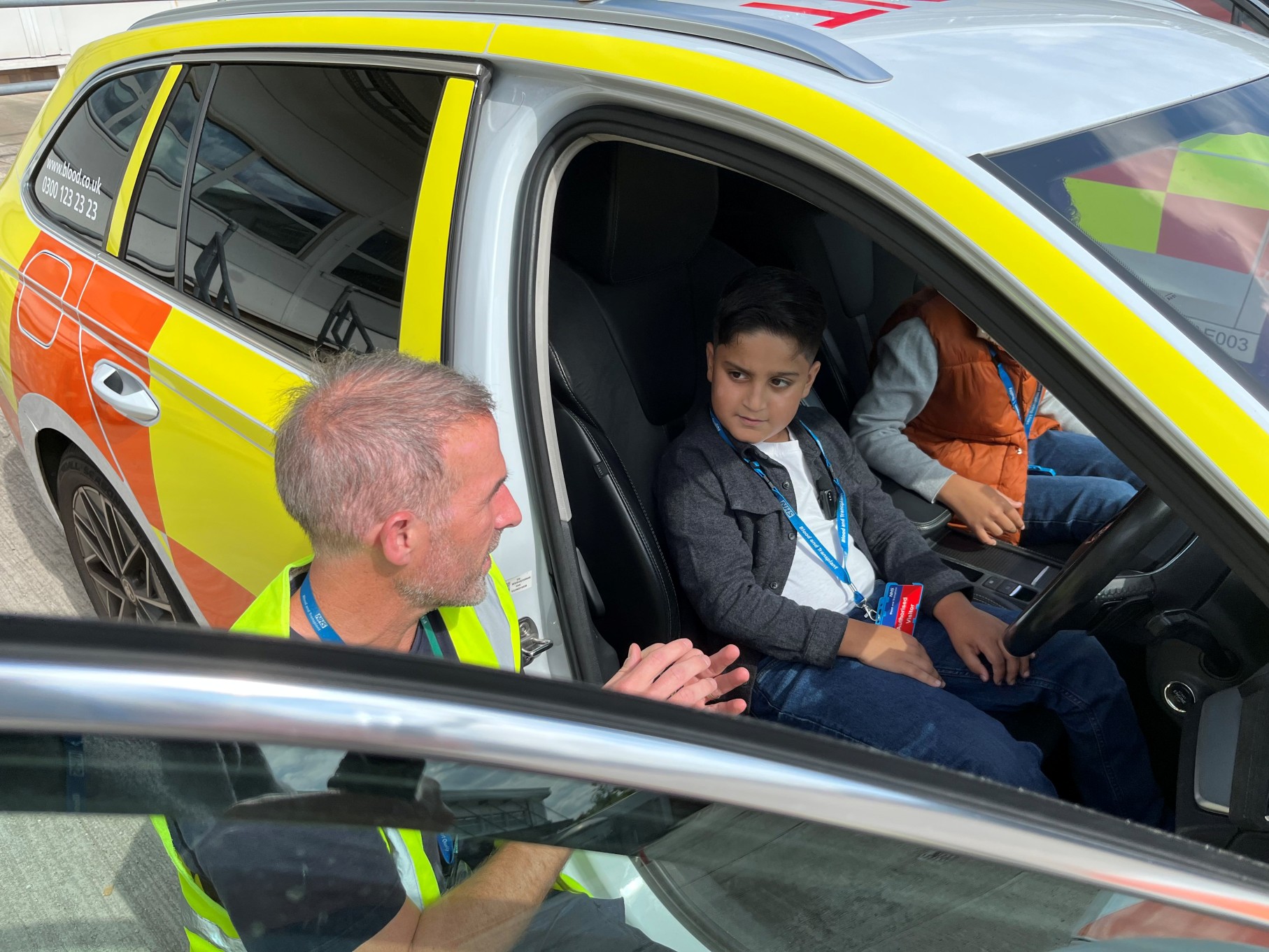 Qasim has just visited the NHS Blood and Transplant base in Liverpool, with his brother Yusuf, to say thank you for the scientists, doctors, and operational staff who helped save his life.
One of NHS Blood and Transplant’s specialist blood matching teams, the Red Cell Immunohaematology lab in Liverpool, tested his rare types. The Molecular Diagnostics Department at NHSBT Bristol also genotyped his blood to aid red cell unit selection.
The NHSBT National Frozen Blood Bank in Liverpool thawed rare frozen blood for him. The NHSBT hospital services team issued the blood and the NHSBT transport team made emergency 'blue light' deliveries. NHSBT's Rare Donor Medicine team called up the extra donor.
One of the frozen unit's he received was donated just 8 days after he was born – it was the same age as him when he received it, 8 years old. Only around 50 NHSBT donors have r'r' blood.
Qasim, from Farnworth in Bolton, fell ill in June 2025 with autoimmune haemolytic anaemia (AIHA), and was treated at Manchester Children's Hospital.
His body was destroying his own red blood cells so quickly he needed two blood transfusions, every day, while doctors worked to treat the AIHA.
Qasim, the third of 4 children, is now doing well and this June marks one year his treatment.
Qasim's story
Mum Mahnaz Nazar, a mental health support worker, aged 43, who is married to Rizwan Ahmed, 46, a chauffer, said:
"He was a fit and healthy 8-year-old, just a typical boisterous boy who loves sports, riding his bike, and he's very sharp.
"It came on quite suddenly – he went from being healthy to waking up one morning with yellow eyes and skin.
"At the doctors, everything was going haywire. His heart rate was high and he was getting breathless just speaking – the doctors were surprised he was still walking.
"We were sent to Bolton Hospital, It took a week to figure out what was going on. It was terrifying because you don't know what was going on, all you see is your child getting worse and worse. He was deteriorating in front of our eyes, getting yellower, and he could not tolerate noise or light.
"Then we were sent to Manchester Children's Hospital.
"When they realised it was a blood issue, they were struggling to match his blood.
"They said they had some already stored in Liverpool then after that was used they said they had ran out and that they contacted someone who was a matched and asked for a donation.
"It was quite daunting to watch him have a transfusion. He felt really well afterwards and perked up a lot. But the blood was breaking down so quickly the donated cells were gone in a few hours."
Qasim's AIHA was treated with several medications including steroids, medicine and immunoglobulin. The doctors think the condition was trigged by a virus. Qasim spent around one week in Bolton and 2 weeks in Manchester Children's Hospital.
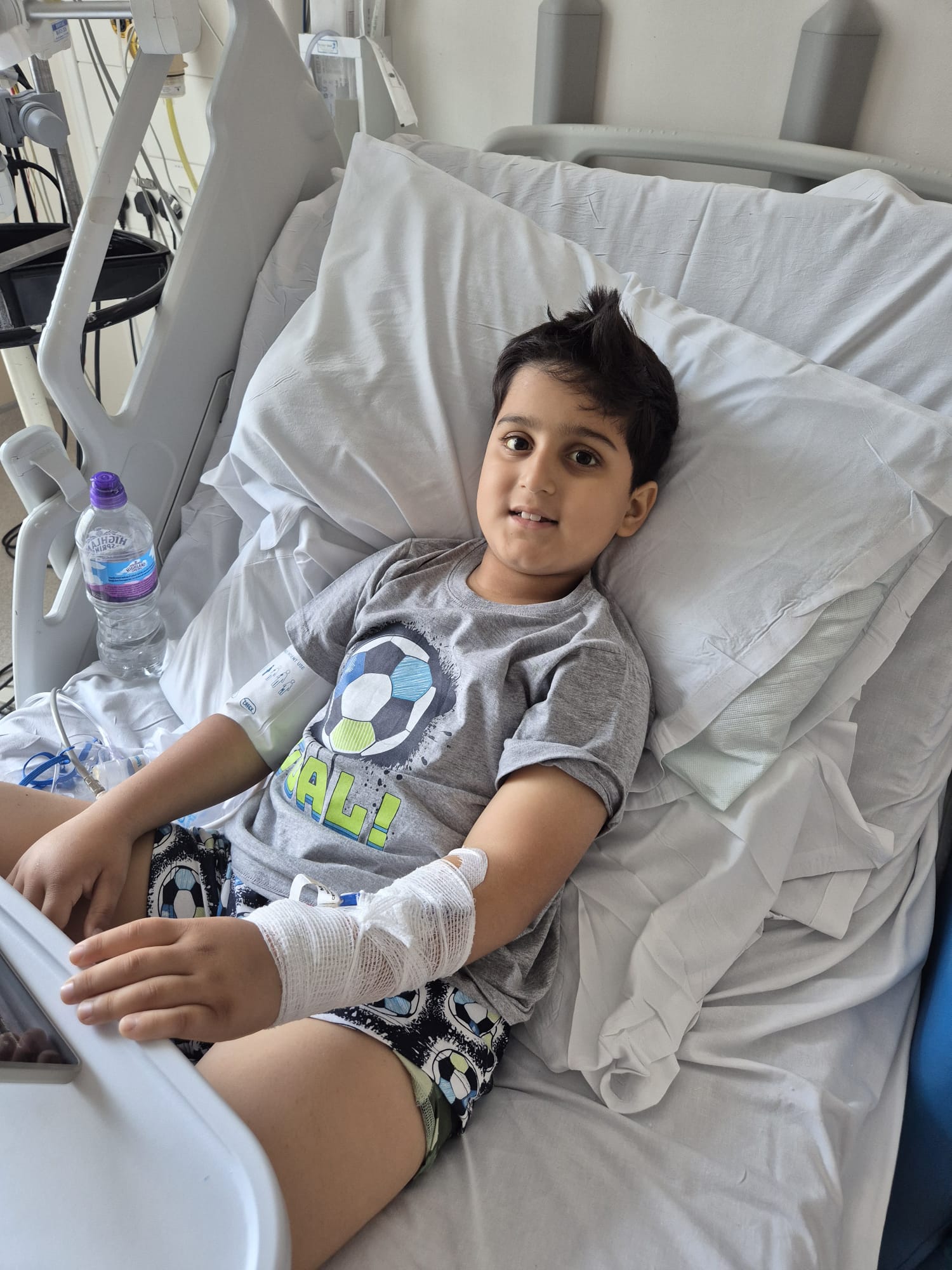 Mahnaz said: "The team at Manchester were absolutely amazing. Qasim wanted to know every little detail – what would happen next, the size of the needle – and they were very patient with him.
"I am very grateful to all the scientists and specialists at NHSBT who found out his blood types then found enough blood to keep him going. He thoroughly enjoyed his meeting and getting to know how things work.
"And blood donors are amazing. I can’t thank them enough, without them Qasim would probably not be he here, he would not have survived, and we will be forever grateful for that."
"Qasim is fine now, he is just cracking on with life. I donated blood myself in April and I am due to donate again in November."
Qasim, now aged 9, said: "I really enjoyed looking around the blood centre and seeing everything. I didn’t know everybody did this in the background. Most of the people in the building saved my life and they are still saving lives too. Thank you to all the donors for donating blood to me because I have rare blood. I have had a really good day here."
Of his illness, he said: "I felt like I was going to die. I was really scared, hoping I would survive, and eventually I did.
"I really like the doctors, they helped me so much. They were so kind to me and they calmed me down if I was sad or angry.
"Basically, for the transfusion, I was lying in the bed and they put the wire into my Pic line and the blood went inside my body and it felt a bit weird.
"I feel like I have my daily routine and everything is back to normal. My life has restarted.
"I just feel unique and it’s quite amazing that I have rare blood.
"I feel really cared about that people actually donated blood for me. I would say to people please donate blood so that other people can survive and get better."