
Patients at every kidney transplant centre to get double matched blood under new programme
NHS Blood and Transplant (NHSBT) is rolling out a groundbreaking UK-wide 'double matched' blood programme for kidney transplant patients, to reduce sensitisation and rejection.
They will get blood matched not just for red blood cells but also for white blood cells. 'Double matching' the blood will mean patients develop fewer antibodies against kidney tissue.
The programme should cut the number of people waiting decades for a transplant. It will also potentially stop up to 100 kidney transplants being rejected each year.
How does double matching work?
Kidney patients often need multiple blood transfusions because their kidneys can no longer make enough erythropoietin, the protein which stimulates red cell production.
However, standard red blood cell transfusions also contain a small number of white blood cells that express small proteins of the human leukocyte antigen (HLA) system, sometimes called tissue type.
If the HLA in the transfused cells is different from the patient, they are seen as foreign and the patient can develop antibodies against the foreign HLA. These HLA antibodies are a problem for renal patients who have received a kidney transplant as the can bind to the kidney and cause antibody mediated rejection.
Patients with lots of antibodies are known as highly sensitised. They cannot receive most kidneys without their body rejecting the kidney, meaning they can wait many years without a transplant; the NHSBT-held kidney waiting list includes people who have been waiting more than 20 years.
Many people are affected to some degree; past research suggests 38% of kidney transplant patients develop HLA specific antibodies after transfusion with red blood cells.
Additionally, if people already have a kidney transplant and then get a blood transfusion, that can also develop antibodies and rejection. If people reject a kidney there is a high cost – 50% of failed renal transplant patients get a second transplant, 50% die on dialysis.
Providing double matched blood will reduce the risk of HLA antibody formation and the resulting complications.
Who will the programme help?
The blood matching programme is likely to have the most benefit for people with a non-European heritage, because they often get blood transfusions from people of European heritage, with a higher likelihood of different tissue types, and for also women who have been sensitised against their baby’s blood during pregnancy.
NHSBT is currently rolling out the £1.37m programme to English hospitals. It will also work with partner blood services in the other UK countries to provide blood.
All 24 kidney centres are coming on board over time. The full roll-out follows a successful pilot at Hammersmith Hospital – part of Imperial College Healthcare NHS Trust – as well as at the Royal Free Hospital and the Freeman and Royal Victoria hospitals in Newcastle.
Analysis of the pilot study showed that patients who were only transfused with double matched blood did not make HLA antibodies against their transplanted kidneys.
There is an urgent need to help kidney patients. More people need kidney transplants than all other organs combined. Around 250 to 300 people die waiting for a kidney transplant each year, the most of any organ.
When all 24 kidney transplant units are on board, NHSBT estimates it will provide 4,000 double-matched units of blood each year. To provide that much blood, NHSBT needs 130,000 blood donors to be genotyped for their HLA type – there are currently more than 120,000, with the number rising fast.
Johanna's story
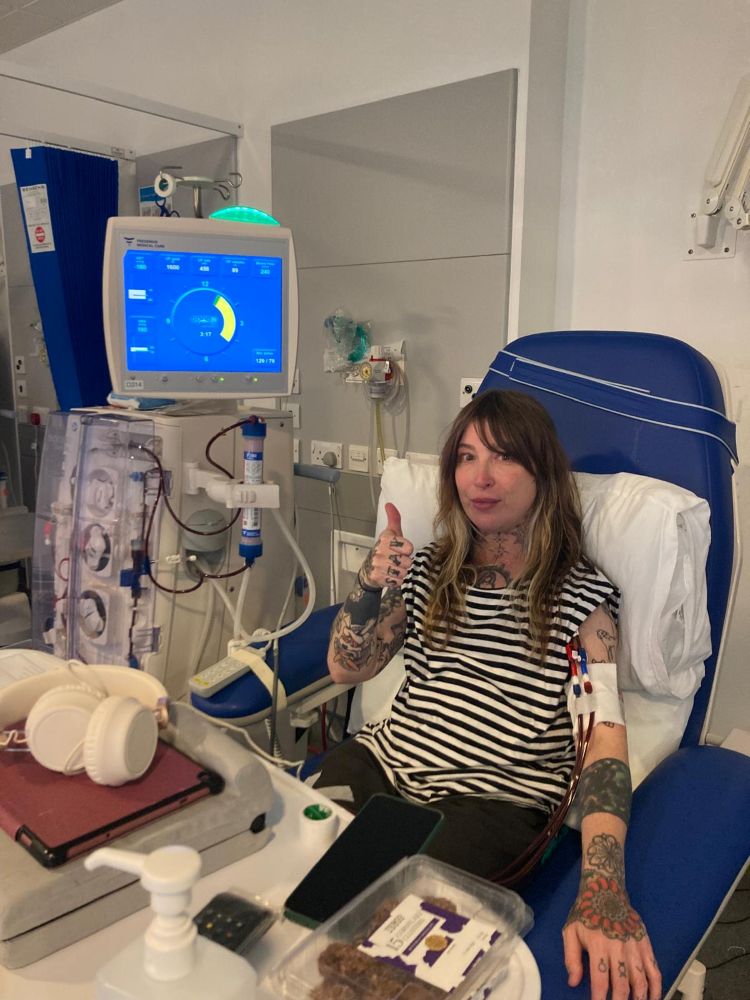 Johanna Bridges, 39, from Cumbernauld, Scotland, is severely sensitised from more than 15 blood transfusions and three previous kidney transplants.
She has 99% sensitisation to HLA types. She has been told her chances of getting a transplant in the next three years are less than 10%, even though she now a priority patient.
Johanna’s kidney failure has been caused by focal segmental glomerulosclerosis, which causes scarring to the filters in her kidneys, the glomeruli. She had a transplant from a deceased donor in 1995, from her mum in 2008, and then from her brother in 2012.
Johanna, a community psychiatric nurse, is married to Mark, 46, a warehouse manager, and they have one daughter.
She said: "I feel like I am fighting for my life. I’m a 39-year-old mum. There are 7,000 people who need kidney transplants. Due my sensitisation, I feel like I don’t have a hope in hell of getting one. Matched blood like this is definitely a step in the right direction. Anything which can stop the number of antibodies increasing, especially for younger people who might need several transplants.
She added: "I would urge people to support organ donation, including altruistic donation – donation literally saves lives when people have kidney failure. There are younger people desperate for their lives."
Ellie's story
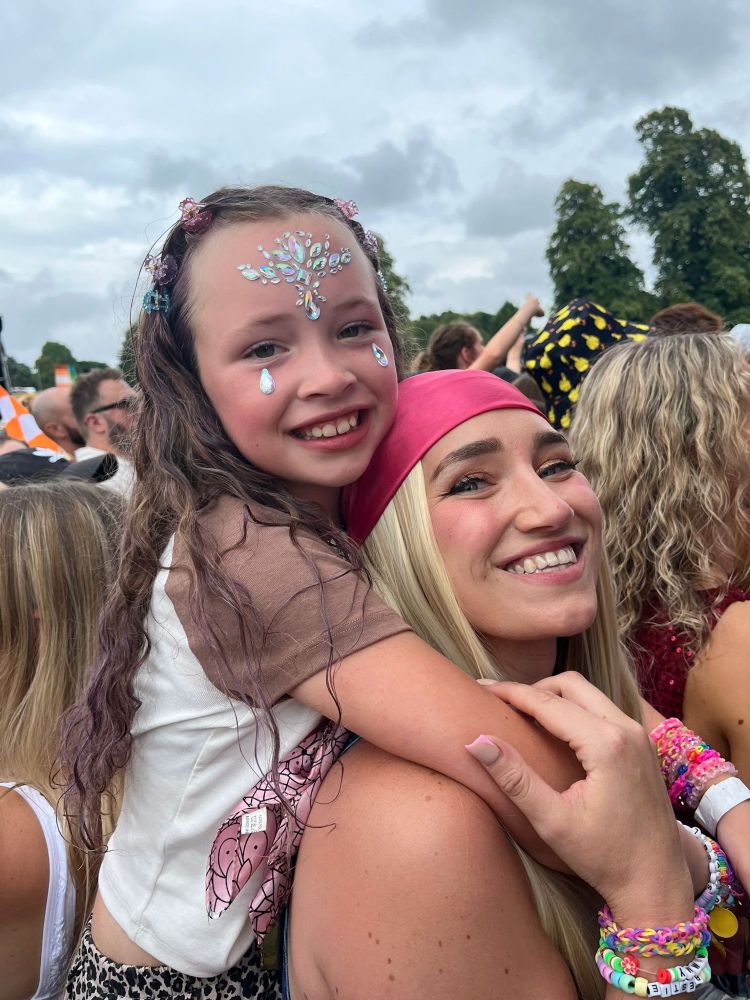 Ellie-Mae Steers, 31, from Desford near Leicester, has had two kidney transplants and more than 20 blood transfusions. Ellie, a mum of one and a chef, had kidney failure due to severe high blood pressure as a child. She rejected her first transplant from her mum due to antibodies.
Should she need more blood transfusions, matching the blood for HLA types will reduce the chance she develops more antibodies. That will make it less likely she rejects her current kidney. And if she needed a third transplant, it will mean she can safely receive a greater variety of kidneys.
Ellie, who is treated at University Hospitals of Leicester NHS Trust, said: "It’s absolutely amazing to think the blood will be better matched like this. Hopefully it will help more people get a kidney, there are a lot of people on the waiting list. The number of people waiting is definitely increasing.
"Waiting four years for a transplant was very hard. I lost my independence, it was very hard financially not being able to work as a single mum, and I struggled with missing out socially. The transplant has totally transformed my life. I’m in such a good place now. I am so grateful to my donor and their family."
Ellyn's story
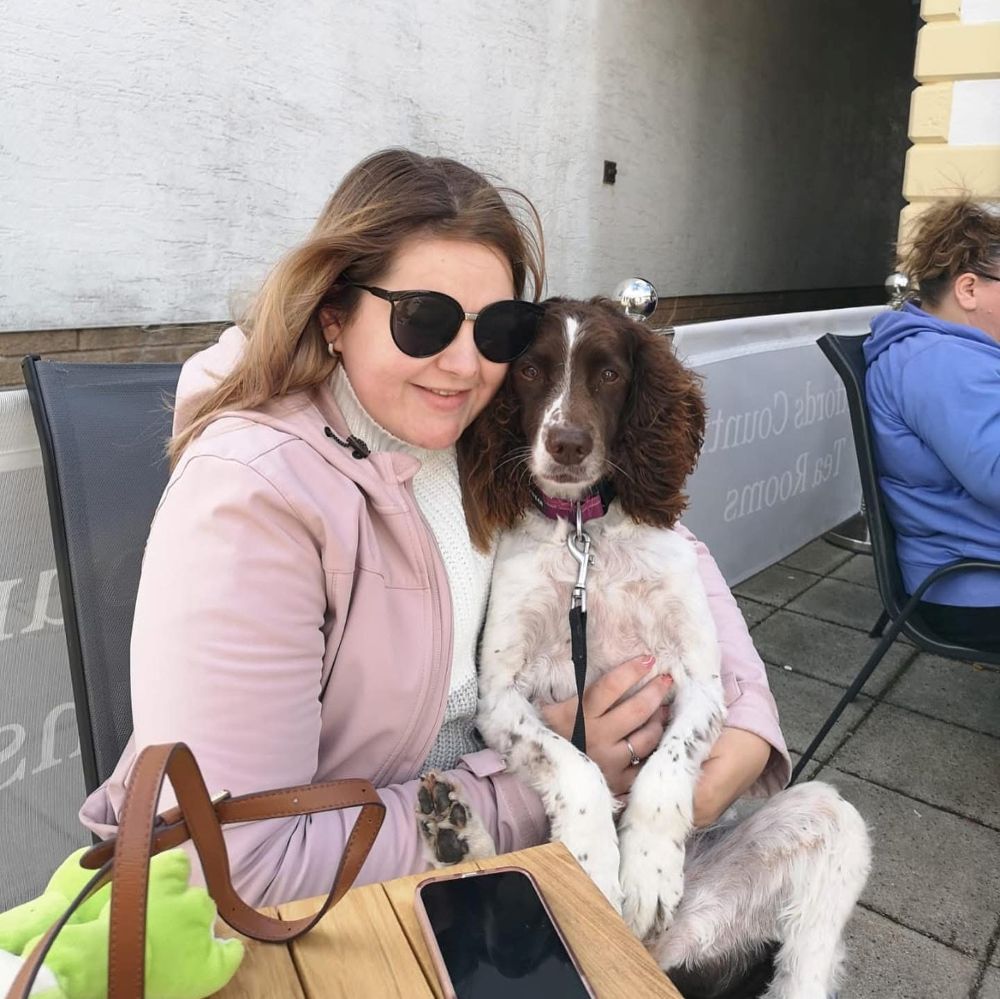 Ellyn Laws, 30, from Walkergate in Newcastle, has high levels of antibodies. Her renal team has told her she may struggle to get a transplant in a reasonable timeframe.
She developed chronic kidney disease aged 2, as a reaction to an antibiotic. She has had four transplants and is awaiting her fifth. She had had several blood transfusions.
Ellyn, who has a partner Ben, said: "I have been told that I am highly sensitised, due to the blood transfusions and multiple kidney transplants.
"My chances of getting a kidney within the next five years are extremely slim, and I have been told my dialysis access options potentially won't see me to transplant.
"I feel as though I'm fighting to just make it through the day to day. A kidney would give me a future I don't see myself having right now.
"I worry about my antibody sensitisation constantly. My levels of sensitisation are the difference between me getting a kidney and having a future and not.
"This new programme sounds like a positive step - I am completely behind it. Seeing how science has progressed since I was diagnosed in 1997 is remarkable. If it means more people are in with a chance of living their lives to the fullest, I am all for it."
She added: "Please consider organ donation, many people assume patients needing transplant are older but so many people are younger now too. Giving somebody the opportunity to get up for work in the morning, do the mundane and be with the people they love outside of hospital rooms and in the real world is such a gift."
Laura's story
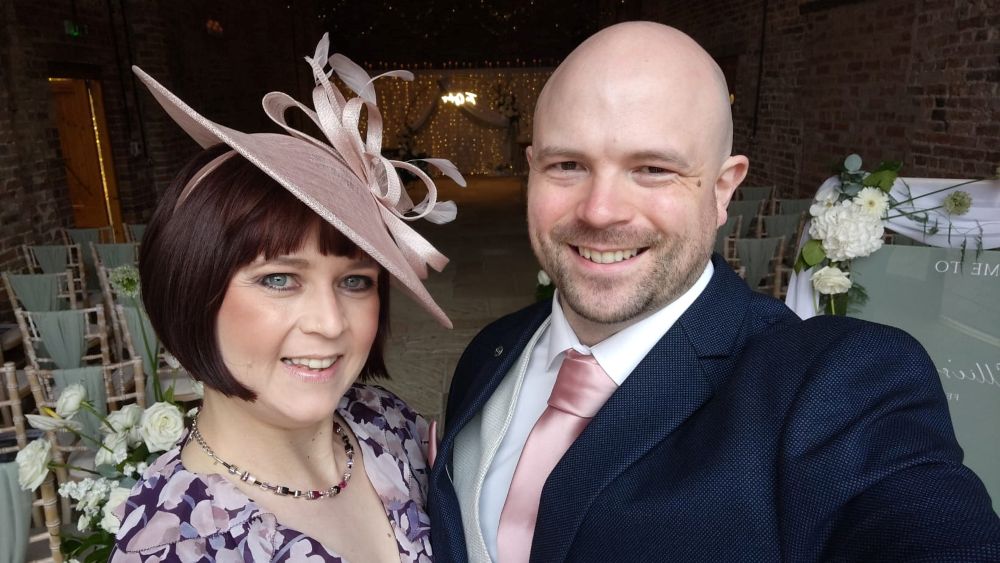 Laura, 36, from Nottinghamshire, a married mum of one, has had three kidney transplants. She said matching for HLA types would help with the constant worry of antibody formation and rejection.
Laura’s own kidneys were removed due to a wilms tumour, a type of childhood kidney cancer. She had transplants from deceased donors in 1994 and 1997, which were then rejected. She had a kidney from her dad in 2004, which is still functioning well.
Laura, who works as an NHS dietetic assistant, said: "I’ve had more than 10 blood transfusions. Matching the blood for white blood cells will be extremely helpful because antibodies are always a worry. If I need blood, I am scared I will get them. If that risk can be alleviated it will be a massive relief.
"This is very much a risk kidney patients worry about. When I get my bloods done, I always want to know there’s no evidence of new antibodies. Antibodies and rejection are always in the back of our minds."
Statements about the programme
Dr Colin Brown from NHS Blood and Transplant, Consultant Clinical Scientist and the Histocompatibility and Immunogenetics scientific lead, said:
"Blood transfusions save lives but for people on the transplant waiting list they carry a particular risk. By providing a new service to the wider NHS where we double match blood for white cells as well as red cells, we can reduce kidney rejection, and help stop so many people waiting many years for a match or even dying before they receive one.
"Innovation like this will help us meet out ambition of a world where everyone has the opportunity of getting transplant, where indicated. But we must also never forget no innovation would be possible without the incredible people who donate lifesaving blood and organs."
Dr Michelle Willicombe, a consultant nephrologist at Imperial College Healthcare NHS Trust, is the transplant nephrology lead for the UK-wide programme and also worked on the initial pilot at Hammersmith Hospital. She said:
"The roll-out is really positive news for kidney transplant patients, which I hope will help address health inequalities, reduce waiting times and ultimately save lives. I am really proud of our team's contribution, both through our research and by piloting the programme Hammersmith Hospital.
"The clinical consequences of developing HLA antibodies can be devastating and lead to a transplant failing. But we've seen in our pilot how blood matching can reduce the risk."
Sarah Jones, founder of the Share Your Wishes social media page which by sharing stories daily of those touched by organ donation to encourage people to support organ donation said:
"Many of our followers have experienced long waits or transplant failure due to antibodies, so we’re delighted people will now get even better matched blood to reduce the risks of antibody formation."
Fiona Loud, Policy Director for Kidney Care UK, said:
"The waiting list is sadly at an all time high, so where there are barriers like over-sensitisation, we very much welcome the science that could now make it possible to avoid an immune response which makes it more difficult to achieve or retain a successful kidney transplant.
"This news is reassuring to kidney patients, who frequently need blood transfusions, and women with kidney disease who want to have children."