NHS issues 1000th unit of baby umbilical cord blood for stem cell transplants
The NHS has now reached the milestone of issuing 1000 donations of newborn babies’ umbilical cord blood for stem cell transplants.
Umbilical cords are rich in stem cells. The blood can be collected then used to save lives through stem cell transplants, usually treating blood cancers such as leukaemia.
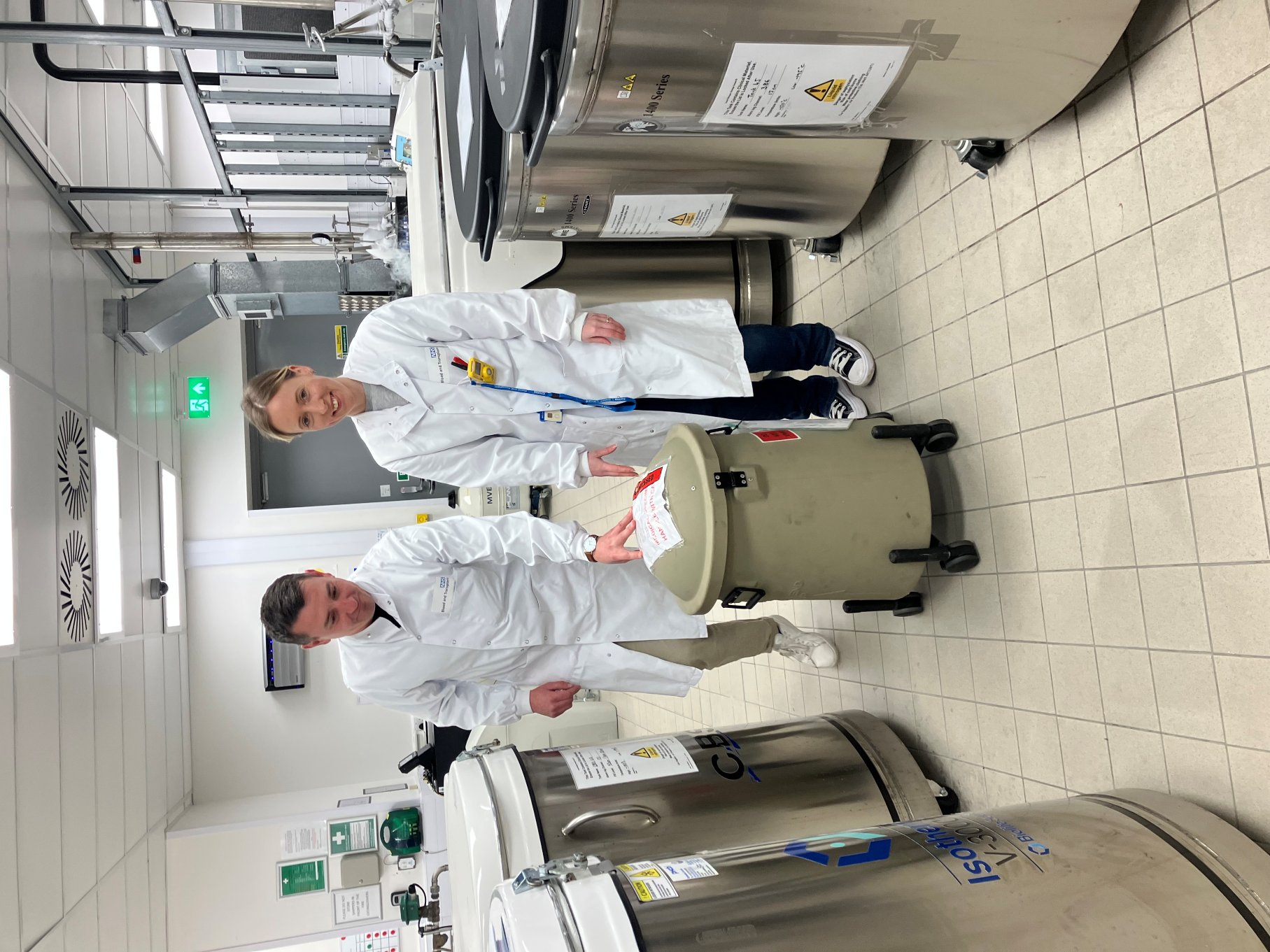 The NHS Blood and Transplant cord blood bank in Filton, Bristol, which opened in 1996 is the fourth largest cord blood bank in the world, holding nearly 20,000 donations available for clinical use. The bank has just sent out its 999th and 1000th unit, in time for a New Year transplant of both into the same patient.
NHSBT Cord bank team members including team manager Kennedy Davies and Cord Blood Bank Manager Ben Cash removed, prepared and packed the unit over Christmas. NHSBT delivered it to Bristol Haematology & Oncology Centre, which is run by University Hospitals Bristol and Weston NHS Foundation Trust (UHBW), for a new year transplant into a young adult patient with acute myeloid leukaemia.
Cord blood is donated after birth at selected hospitals then frozen and stored -196C until a match is found. These donations are carefully monitored to ensure they remain viable and consequently can be used decades after donation. By the time units are used, the baby may even by an adult. The 1000th unit was donated in 2016.
Cord blood is issued to patients in the UK but units can also be sent around the world through reciprocal sharing agreements. The blood of a baby born in the UK could save the life of someone on other side of the world.
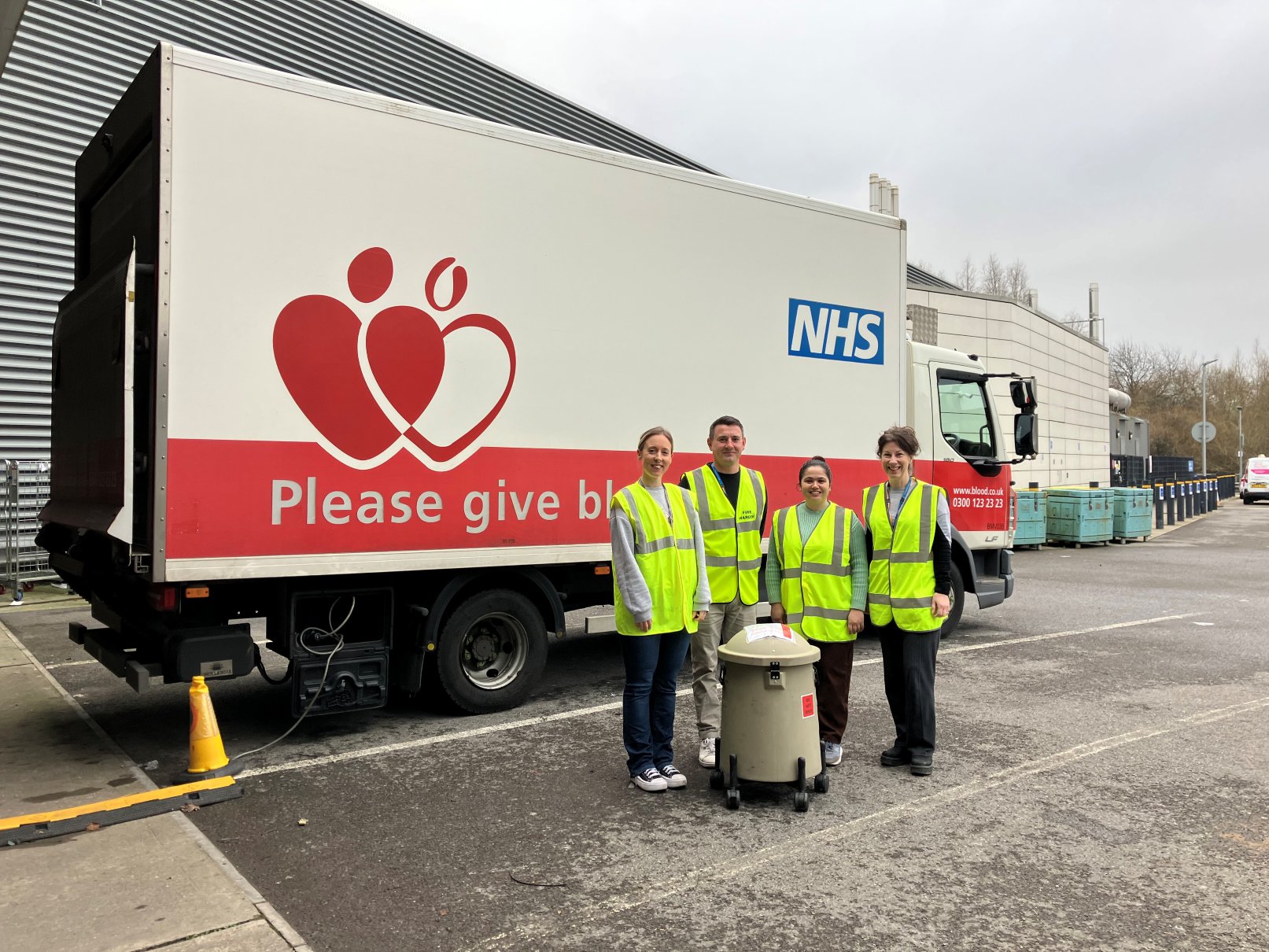 The last 20 cord blood transplants have been issued to hospitals in London, Bristol. Manchester, Birmingham, Glasgow, Canada and the Netherlands, mostly to treat acute leukaemia but also genetic immunodeficiencies in paediatric patients.
Cord blood donation does not interfere with the birth of the baby. Donation takes place after birth, after the cord has been cut, and after the placenta has been delivered. (1)
NHSBT collects cord blood at hospitals in Greater London or nearby; University College Hospital, Luton and Dunstable Hospital and St George's Hospital. This is to help find stem cell matches for people from minority ethnic communities. NHSBT stores around 10 cord blood donations a month. (2)
Transplanted stem cells find their way into the recipient’s bone marrow. They can then produce the types of blood cells needed to reconstitute an immune system, for example and white cells and platelets. (3)
Natasha and Ellaria's story
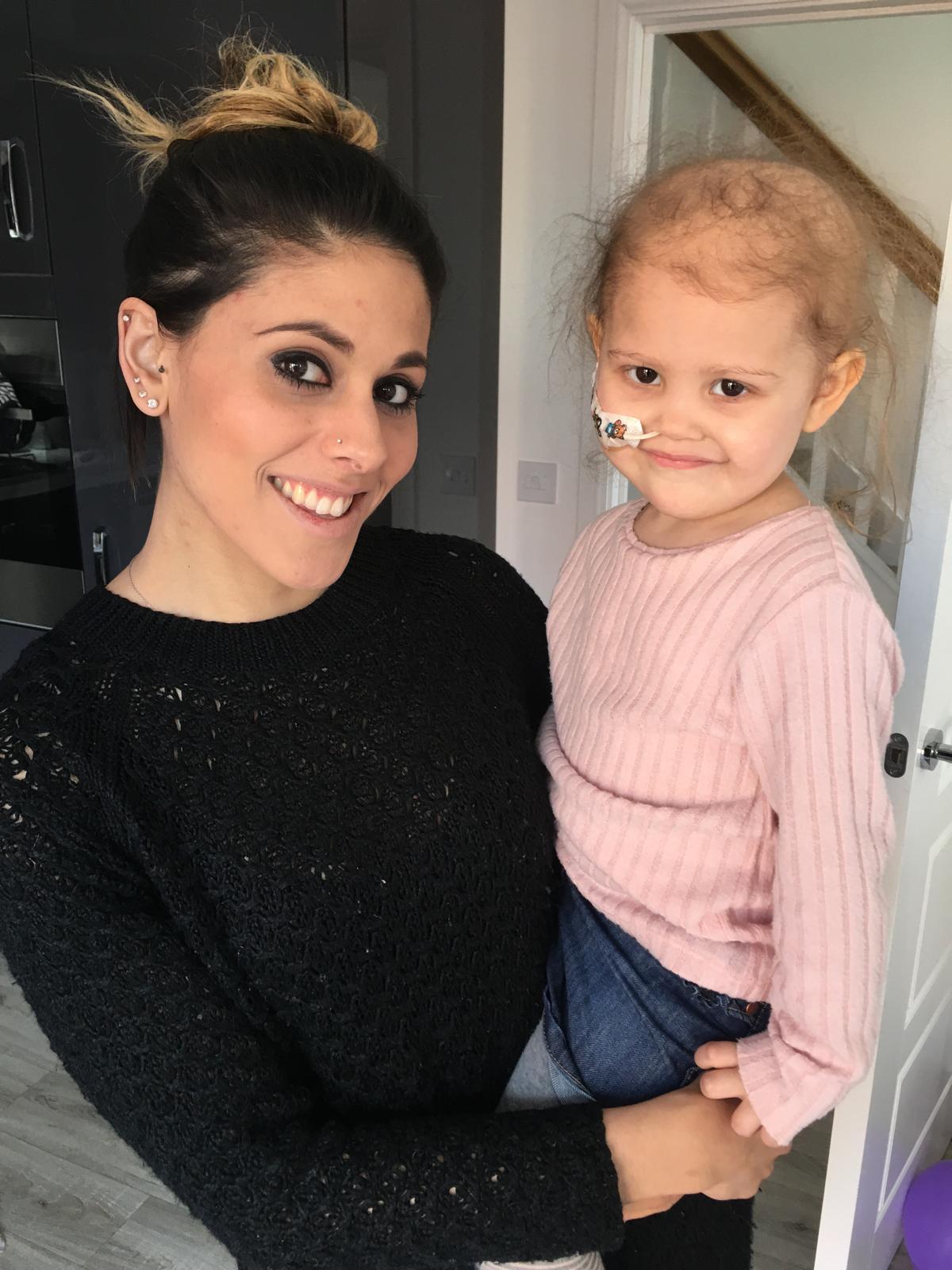 Natasha Kirkpatrick donated her daughter Ellaria's cord blood at birth in 2017. Ellaria herself then received a lifesaving cord blood transplant in 2022.
Ellaria was born in 2017 at Luton and Dunstable University Hospital. As a child, she developed acute lymphoblastic leukaemia and relapsed after chemotherapy.
A planned stem cell transplant in 2022 was cancelled three days before the planned date when the donor caught COVID-19. Ellaria instead received an emergency cord blood transplant at Bristol Royal Hospital for Children, also run by UHBW.
Mum Natasha, 37, a teacher from Marston Moretaine near Bedford, said:
"I knew about cord blood because I'd donated Ellaria's own cord blood when she was born.
"The actual stem cell transplant is not scary – it's syringes and the stem cells going into the blood – but it was a very hard time overall, Ellaria had a virus and was an inpatient for a good 5 months.
"She is still being monitored and she has some after-effects that affected her heart and brain a little. You would not know what she has been through from looking at her but what she has been through is just incredible.
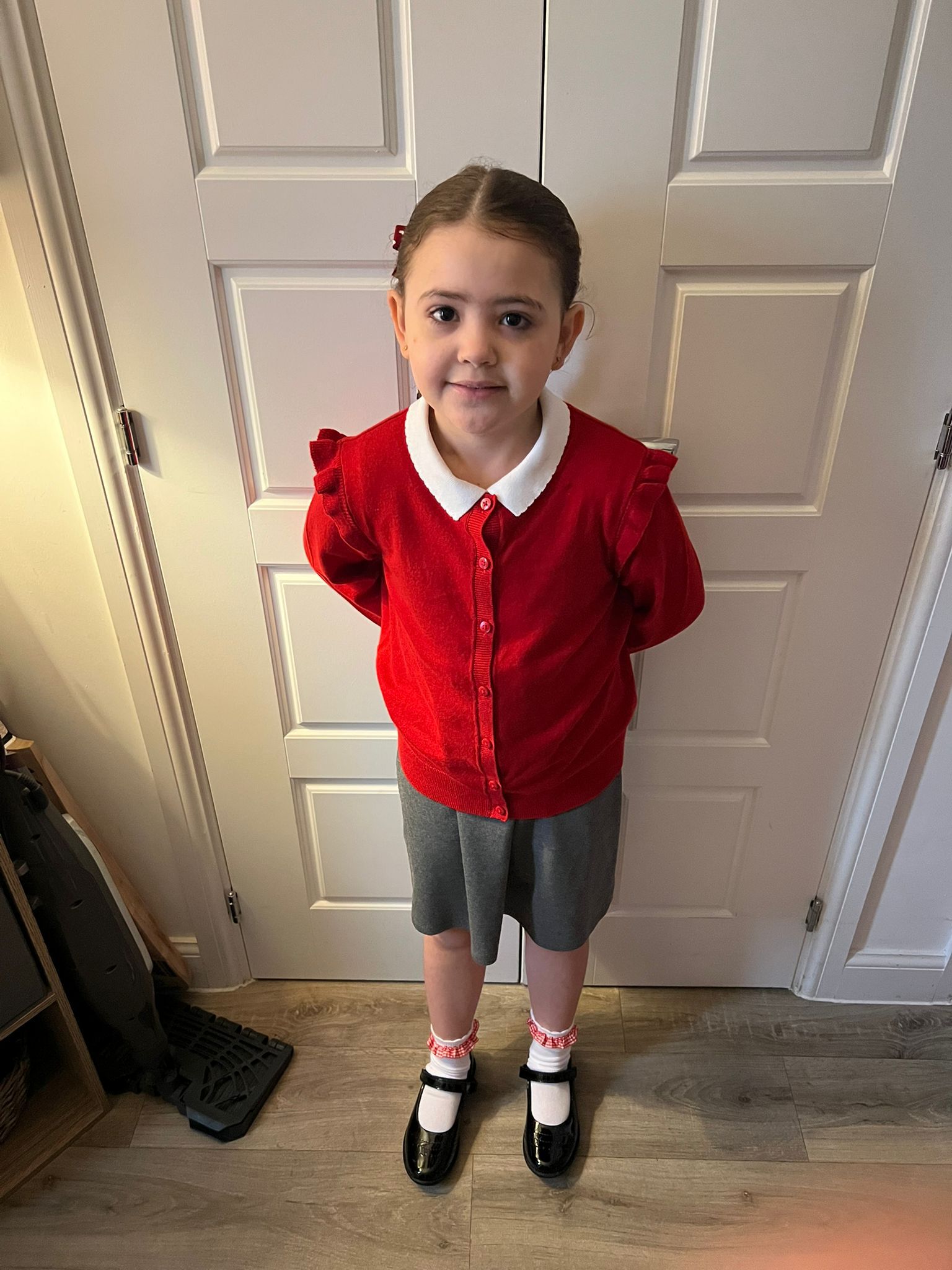 "She’s now in Year 4 at primary school. She is a typical girl; loves her music like Elvis, K-Pop and the Spice Girls, her dancing. She is funny. She’s quite a girly girl but with a boy’s sense of humour."
Natasha, who is married to Jonathan, is also mum to son Elisey 4, and daughter Ellaya, 1. She is pregnant with the couple's fourth child. She is of mixed White British and Sri Lankan descent and is aware of the need for more stem donors from black and Asian backgrounds, especially from people of mixed backgrounds.
She added: "I cannot thank the mum who donated the cord blood Ellaria received enough. Without the doctors and without that transplant, she would not be here. There are really no words to express how I feel. I just think it’s great that people do it -and I was proud to do it myself."
Press release notes
- It can be significantly more difficult to find a suitable match for patients of Black, Asian and mixed ethnicity backgrounds, due to the lack of suitable potential donors on the register – for a successful stem cell transplant, both donor and recipient need matching tissue types and patients are most likely to match with donors of a similar ethnic heritage.
- The placenta is placed in a sterile supporting structure and the cord is cleaned with an alcohol wipe. A needle is then inserted into the cord and the blood naturally flows into a collection bag. We need to collect at least 60ml of cord blood from one donation but we can collect up to 150ml.
- As well as treating blood cancers, stem cell transplants can be used to treat severe aplastic anaemia (bone marrow failure), and genetic disorders such as sickle cell disorder, hurler syndrome, and severe combined immunodeficiency disorder.