New pathway goes live for UK's world leading Assessment and Recovery Centres programme
From today, the liver pathway of the UK's world leading new Assessment and Recovery Centres (ARCs) transplant programme has gone live, which will enable more people to receive lifesaving liver transplants.
The ARCs could unlock a step change in organ transplantation at a time when the transplant waiting is at an all-time high of more than 8,000.
NHS Blood and Transplant (NHSBT) is establishing a UK wide program of ARCs for selected lungs, livers and kidneys, which would otherwise have not been transplanted.
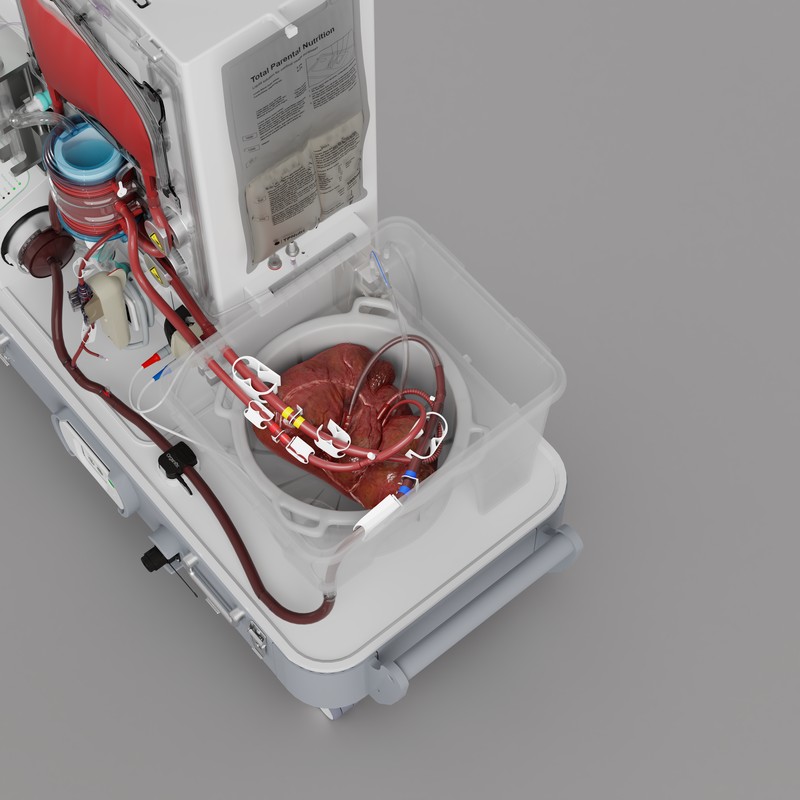
The selected organs are transferred to specialist centres to have their function assessed in more detail. They receive machine perfusion – which creates critical extra time for clinicians to test how well the organs work. That allows more organs to be transplanted with confidence.
How the programme is being rolled out
 The first 3 hospital trusts selected by NHSBT as liver pilot sites are Cambridge University Hospitals NHS Foundation Trust, Royal Free London NHS Foundation Trust, and King's College Hospital NHS Foundation Trust.
The pilot programme is being rolled out to ensure feasibility. In the future, within a final model ARCs service, organs would also additionally receive 'reconditioning' interventions, such as surgical repairs, blood type changes, and cell therapies, further increasing the pool of transplantable organs.
If the pilot is successful and a full national ARC model is introduced, it would be the first nationwide network of its kind in the world.
NHSBT estimates a full ARC national service would enable up to 200 extra liver transplants a year.
Across all three organ types, the full model would enable up to 750 extra transplants a year - equivalent to 400 additional deceased donors every year. Each additional donor is estimated to save the NHS approximately £0.23milion. The lung pilot pathway has already gone live. The kidney pilot pathway will follow this autumn.
The ARCs programme is funded and supported by the UK's 4 departments of health, including the Department of Health and Social Care.
During perfusion, oxygenated blood or nutrient-rich fluids are circulated through organs, preserving their function.
Statements
Derek Manas, NHS Blood and Transplant Medical Director for Organ and Tissue Donation and Transplantation, said:
"The ARCs programme will ensure we truly honour the gift of donation by creating unique clinical facilities where precious donated organs can be sent to be evaluated and assessed for suitability to be transplanted.
"This will ensure more organs are available for transplant, increasing clinical confidence and increasing organ utilisation rates.
"ARCs are part of the NHS’ wider ambition to reduce health inequalities and harness the latest innovations.
"NHSBT's national network and research capability means we’re well-placed to deliver this service, transforming organ transplantation – and saving more lives."
Pamela Healy, Chief Executive of the British Liver Trust said:
"For patients and families affected by liver disease, the wait for a transplant can be an incredibly uncertain and anxious time. The launch of the ARCs liver pathway offers real hope by helping ensure more donated organs can be used safely and effectively. This innovative approach has the potential to significantly increase the number of liver transplants carried out each year, offering a second chance to many more people in urgent need."