First patients getting genomically matched blood transfusions in world first programme
A young man with serious sickle cell complications has become one of the first people to receive better matched blood based on a new world-leading testing programme.
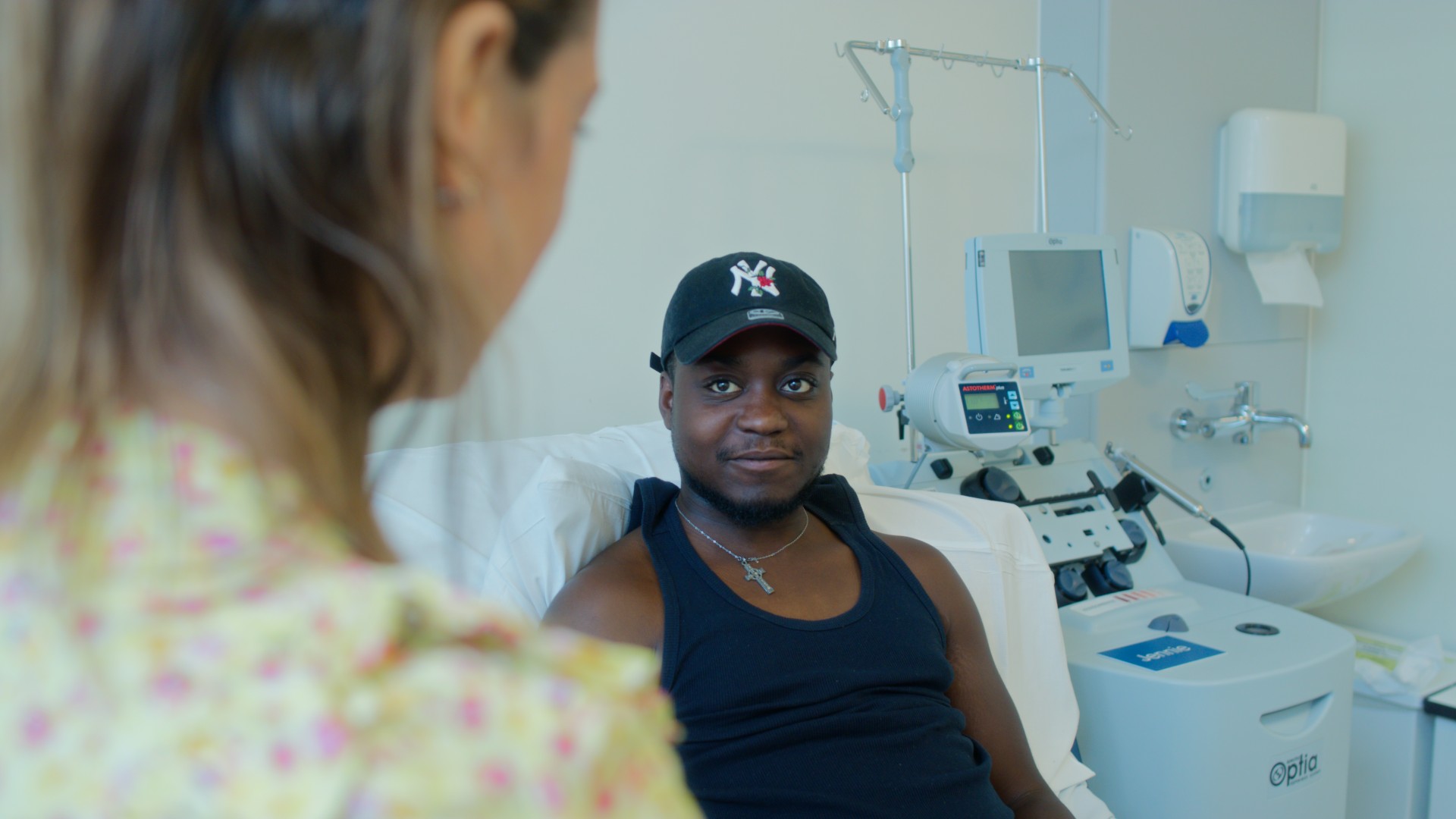 Tre Henry-Adegoroye has severe sickle cell with frequent painful crises resulting in bone and kidney damage and relies on regular blood transfusions keep him healthy and to stay alive.
The new test discovered he had a rare variant blood type, which meant his regular transfusions could be even better matched.
Tre, 26, of Lambeth in London, who runs a clothing business called Guarded, was tested by the NHS blood group genotyping programme.
It was the first programme in the world to offer a DNA-based blood testing service to a whole patient group. (1)
Now the first patients, like Tre, are getting transfusions where blood is selected for transfusion incorporating this new information. Tre is treated by University College London Hospitals NHS Foundation Trust.
The new test identified that Tre has D variant blood, a rare version of the Rh blood type. He will now need to receive blood which does not cause any reactions.
The DNA analysis of patient's blood groups allows for more accurate matching for people – like Tre - who need have certain conditions and regular transfusions.
NHS England is working in partnership with NHS Blood and Transplant to deliver the testing programme, which is for people with sickle cell, thalassaemia, and transfusion dependant rare inherited anaemias (2).
University College London Hospitals NHS Foundation Trust helped develop the testing proposal. The work is supported by the NIHR Biomedical Research Centre at UCLH.
Transfusions are commonly used to treat these disorders with very little other treatment options available, however, around a fifth of patients develop antibodies against certain blood groups following transfusion, due to the difficulties in providing the best matched blood. (3)
If people develop antibodies against blood types, it's harder to find blood they can receive, and for some people not enough blood is available.
Around 17,000 people with sickle cell and a further 800 with thalassaemia are being offered the test. The test is also being offered to around 300 people with rare, transfusion dependent rare inherited anaemias, such as Diamond-Blackfan anaemia.
This testing programme forms part of a translational research and implementation collaboration between NHS Blood and Transplant, the NIHR Biomedical Research Centres at Cambridge University Hospitals and at University College London Hospitals, the University of Cambridge, the NIHR Blood and Transplant Research Unit in Donor Health and Behaviour, and the NIHR BioResource, supported by the National Institute for Health and Care Research (NIHR), NHS England and NHSBT. Together, these organisations are working to translate advances in genomic science, data analytics, and clinical practice into more personalised transfusion strategies and improved patient outcomes across the NHS.
Tre's story
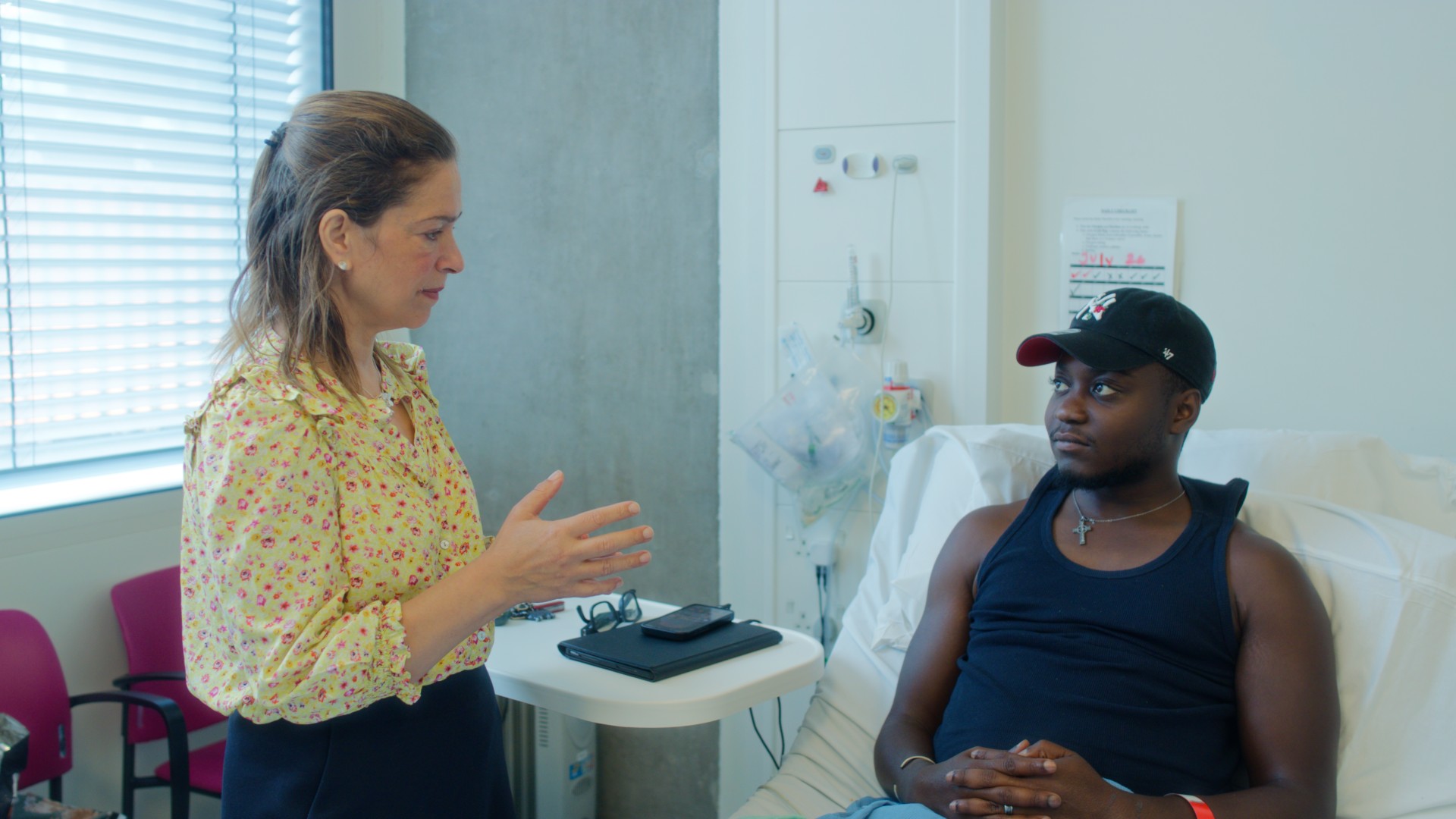 Tre and his twin brother both have the severe type of sickle cell disorder, and has started on regular transfusions in the past year – massively reducing the amount of time he spends on the hospital wards.
Tre said: "A sickle cell crisis feels like your body is being torn apart from the inside and crushed. Mine can be triggered by the cold, getting too hot, being dehydrated, or being stressed, or my haemoglobin levels being too high.
"Sickle cell has a massive effect on me day to day. I don't have the energy for day-to-day tasks and I have avascular necrosis, and that really affects how I walk. Currently I am recovering from a knee replacement. There's pain all day – it doesn't really go away.
"The new test found I had variant RhD type. The doctors explained to me that the new test uses genotyping to get more precisely matched blood.
"It’s good to know the NHS is working towards improving care for all people who need to have blood. I'm also very grateful to the people who donate blood."
Statements
Press release notes
- In sickle cell disorder, people produce sickle haemoglobin instead of regular adult haemoglobin and this damages the red blood cells which can become stuck in blood vessels, causing pain and damaging organs. This can cause life-threatening complications such as stroke and severe breathing difficulties. In thalassaemia, people cannot produce enough haemoglobin, causing severe anaemia, and so many people with thalassaemia start receiving lifelong regular blood transfusions every 3 to 4 weeks, often from infancy.
- Generally, we test for someone's blood type by detecting the presence or absence of proteins on the surface of their red blood cells (known as serology). This new DNA based test is quicker, cheaper, and easier to do at a large scale, enabling more patients to have many blood types tested. Blood groups are determined by DNA and this test analyses the parts of the DNA that codes for the blood group to determine the person’s blood groups. We call this blood group genotyping.
- Blood is matched for the types with the most serious risk of reaction, such as A, B, O and RhD positive and RhD negative. People with sickle cell and thalassaemia already have their blood matched for these types and a further selection of five additional types. The new DNA test allows for fast and affordable routine testing of many more types.