
Blood donation projects
Key information for applications focusing on blood donation.
The need for blood donation projects
Due to clinical need, any activity focusing on blood donation must engage Black African and/or Black Caribbean communities.
We are particularly keen to work with trusted voices and messengers who can help us address barriers, normalise blood donation and drive behaviour change within Black African and Black Caribbean communities, with a primary focus on increasing registrations from people of Black heritage.
 Treating sickle cell
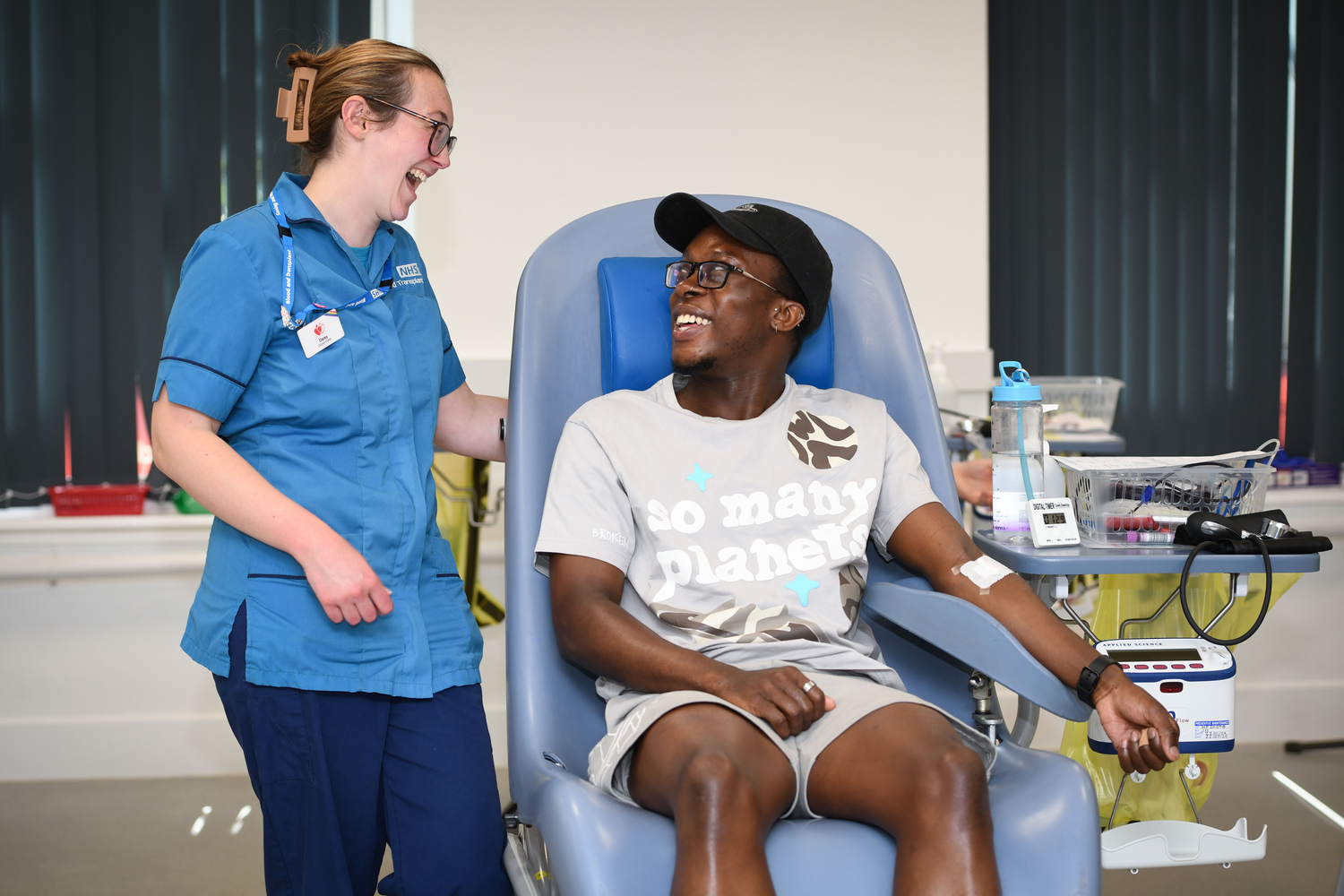
Every minute, the NHS needs three lifesaving blood donations. Demand is rising, with a record 250 donations now needed every day to support people living with sickle cell – the fastest growing genetic condition in the UK.
This increase reflects growing demand from hospitals. Last year, over 250 hospitals relied on blood donations to respond to emergencies, treat cancer, and support patients with conditions such as sickle cell.
People living with sickle cell may require blood from up to 100 donors each year to stay alive and well, through regular transfusions or red cell exchanges.
The need for blood to treat sickle cell has grown rapidly in recent years and continues to rise. In 2024, hospitals needed around 77,500 units of Ro blood to support people with sickle cell.
Ro blood
The Ro blood subtype is more common in donors of Black heritage and is vital for providing closely matched blood for people with sickle cell. However, only around 3% of blood donors are of Black heritage.
Increasing the number of donors from Black communities is essential to improve the availability of well-matched blood and help address inequalities in patient outcomes.
Around 6,500 blood donations are needed every month to support people affected by sickle cell, and demand for Ro subtype blood continues to grow.
Currently, NHS Blood and Transplant (NHSBT) is only able to provide matched blood for just over half of the hospital requests. Other patients need to be treated with O Negative, the universal blood type.
Being treated with O Negative rather than the correct blood type is clinically safe but could mean, long term, patients are more likely to develop antibodies. This puts them at risk of complications and makes it even harder to find blood they can receive.
Group bookings
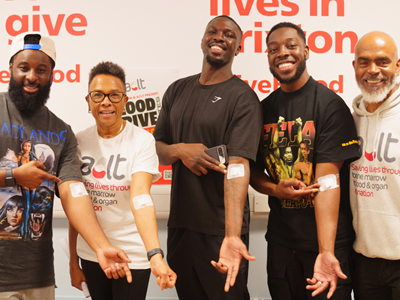 NHS Blood and Transplant has introduced a group booking initiative, enabling people to book appointments and give blood together.
This approach creates a shared and supportive experience, which can help make blood donation feel more accessible, particularly for those who may be donating for the first time. Bringing people together to donate as part of a group can also help build confidence, strengthen trust and encourage ongoing participation.
Group bookings have already contributed to increased engagement and participation with Black heritage blood donors. Applicants may wish to consider how this approach could complement their activity, where appropriate, by working with local communities, organisations or networks to support people to donate together.
Applying for funding
The application window for the latest round of funding is now open. The closing date for applications is [add date and time].
If you have any further questions about the programme or previous projects we have funded, please email the Community Grants team and we will respond as soon as we can.


